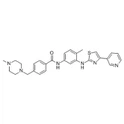
Trilostane, identified by the CAS number 13647-35-3, is a compound that has piqued the interest of many in the field of veterinary medicine. As a supplier of Trilostane CAS 13647-35-3, I have witnessed firsthand the growing curiosity about its applications in treating animals. In this blog, we will explore whether Trilostane can indeed be used in veterinary medicine, delving into its mechanism of action, clinical applications, safety profile, and more.
Mechanism of Action
Trilostane is a synthetic steroid that acts as an inhibitor of the enzyme 3β-hydroxysteroid dehydrogenase (3β-HSD). This enzyme plays a crucial role in the synthesis of various steroid hormones, including cortisol, aldosterone, and sex hormones. By inhibiting 3β-HSD, Trilostane effectively reduces the production of these hormones in the adrenal glands.
In the context of veterinary medicine, the primary target of Trilostane is the overproduction of cortisol, a condition known as hypercortisolism or Cushing's syndrome. Cushing's syndrome can occur in dogs and, less commonly, in cats. It can be caused by a pituitary tumor (pituitary-dependent hypercortisolism) or an adrenal gland tumor (adrenal-dependent hypercortisolism). Excessive cortisol production can lead to a range of clinical signs, including increased thirst and urination, increased appetite, hair loss, muscle weakness, and a pot-bellied appearance.
Clinical Applications in Veterinary Medicine
Treatment of Canine Cushing's Syndrome
Trilostane has been widely used in the treatment of canine Cushing's syndrome since its approval by the U.S. Food and Drug Administration (FDA) in 2009. Clinical studies have shown that Trilostane is effective in reducing cortisol levels and alleviating the clinical signs associated with Cushing's syndrome in dogs.
In a study published in the Journal of Veterinary Internal Medicine, dogs treated with Trilostane showed significant improvements in clinical signs such as polyuria, polydipsia, and alopecia. The study also reported a reduction in cortisol levels and an improvement in the overall quality of life of the treated dogs.
Trilostane is typically administered orally, and the dosage is adjusted based on the individual dog's response to treatment. Regular monitoring of cortisol levels and clinical signs is essential to ensure that the treatment is effective and to adjust the dosage as needed.
Other Potential Applications
While the primary use of Trilostane in veterinary medicine is the treatment of Cushing's syndrome, there is also some evidence to suggest that it may have other potential applications. For example, some studies have investigated the use of Trilostane in the treatment of feline hyperaldosteronism, a condition characterized by excessive production of aldosterone.
In addition, Trilostane may have a role in the treatment of certain types of adrenal gland tumors in dogs and cats. However, more research is needed to fully understand the effectiveness and safety of Trilostane in these applications.
Safety Profile
Like any medication, Trilostane has the potential to cause side effects. The most common side effects reported in dogs treated with Trilostane include lethargy, anorexia, vomiting, and diarrhea. These side effects are usually mild and transient and can often be managed by adjusting the dosage of Trilostane.
In rare cases, more serious side effects such as Addison's disease (a condition characterized by insufficient production of cortisol and aldosterone) may occur. Addison's disease can be life-threatening if not treated promptly, so it is important to monitor dogs closely for signs of this condition, such as weakness, lethargy, vomiting, diarrhea, and dehydration.
Overall, Trilostane is considered to be a safe and effective medication for the treatment of canine Cushing's syndrome when used under the supervision of a veterinarian. However, it is important to weigh the potential benefits of treatment against the risks of side effects and to make an informed decision based on the individual animal's condition.

Comparison with Other Treatments
There are several other medications available for the treatment of canine Cushing's syndrome, including mitotane, ketoconazole, and selegiline. Each of these medications has its own mechanism of action, efficacy, and safety profile.
Mitotane is a cytotoxic agent that destroys the adrenal cortex, thereby reducing cortisol production. While mitotane can be effective in treating Cushing's syndrome, it has a narrow therapeutic index and can cause significant side effects, including adrenal insufficiency, gastrointestinal upset, and neurological problems.
Ketoconazole is an antifungal medication that also inhibits the synthesis of cortisol. However, it can cause liver toxicity and other side effects, and its effectiveness may be limited in some cases.
Selegiline is a monoamine oxidase inhibitor that is used to treat pituitary-dependent Cushing's syndrome. It works by increasing the levels of dopamine in the brain, which in turn reduces the production of adrenocorticotropic hormone (ACTH) by the pituitary gland. Selegiline is generally well-tolerated, but its effectiveness may be limited in dogs with adrenal-dependent Cushing's syndrome.
Compared to these medications, Trilostane has several advantages. It has a more targeted mechanism of action, specifically inhibiting 3β-HSD, which reduces the production of cortisol without causing significant damage to the adrenal gland. It is also generally well-tolerated, with fewer side effects than mitotane and ketoconazole.
Our Offerings as a Supplier
As a supplier of Trilostane CAS 13647-35-3, we are committed to providing high-quality products to the veterinary industry. Our Trilostane is manufactured to the highest standards of quality and purity, ensuring its safety and effectiveness in veterinary applications.
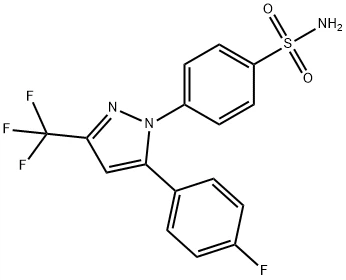
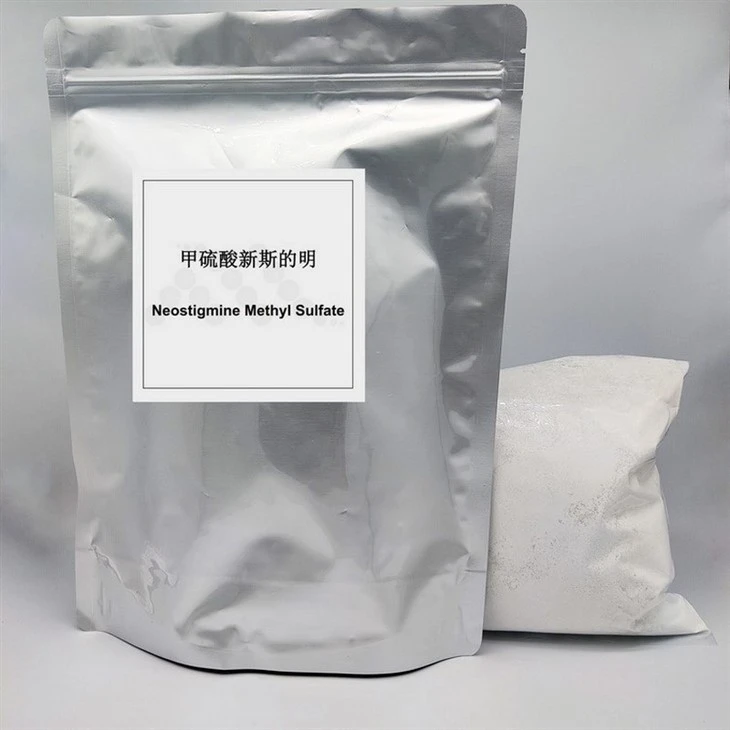
In addition to Trilostane, we also offer a range of other veterinary APIs, including API Mavacoxib For Veterinary Use, Masitinib for Veterinary CAS 790299-79-5, and Neostigmine Methyl Sulfate CAS 51-60-5. These products are designed to meet the diverse needs of veterinarians and animal health professionals.
We understand the importance of providing reliable and timely service to our customers. That's why we offer competitive pricing, fast shipping, and excellent customer support. Whether you are a small veterinary clinic or a large animal pharmaceutical company, we can provide you with the products and services you need to meet your requirements.
Conclusion
In conclusion, Trilostane (CAS 13647-35-3) has proven to be a valuable medication in the field of veterinary medicine, particularly in the treatment of canine Cushing's syndrome. Its targeted mechanism of action, effectiveness, and relatively good safety profile make it a popular choice among veterinarians.
If you are interested in learning more about Trilostane or any of our other veterinary APIs, we encourage you to contact us for more information. Our team of experts is ready to assist you with your inquiries and to discuss your specific needs. We look forward to the opportunity to work with you and to contribute to the health and well-being of animals.
References
- Peterson ME, Kintzer PP, Liu S, et al. Efficacy and safety of trilostane for treatment of pituitary-dependent hypercortisolism in dogs. J Vet Intern Med. 2007;21(6):1340-1348.
- Behrend EN, Kintzer PP, Peterson ME. Long-term safety and efficacy of trilostane in the treatment of canine hyperadrenocorticism. J Vet Intern Med. 2009;23(3):620-627.
- Feldman EC, Nelson RW. Canine and Feline Endocrinology and Reproduction. 4th ed. St. Louis, MO: Saunders Elsevier; 2009.