Hey there! I'm a supplier of Veterinary APIs, and today I want to dig into a super important topic: Do Veterinary APIs provide information on zoonotic diseases?
First off, let's quickly break down what we're talking about. Veterinary APIs, or Active Pharmaceutical Ingredients, are the key components in veterinary drugs. They're what make the medicine work. Zoonotic diseases, on the other hand, are illnesses that can be passed between animals and humans. Think rabies, Lyme disease, or even COVID - 19 which is believed to have an animal origin.
Now, do Veterinary APIs give info on these zoonotic diseases? Well, it's a bit of a mixed bag.
Some Veterinary APIs are directly related to the treatment and prevention of zoonotic diseases. Take, for example, certain antibiotics. These APIs are used to treat bacterial infections in animals that can also be transmitted to humans. When a vet prescribes a drug with these APIs, there's often information about the potential zoonotic risk associated with the untreated infection. The drug's label, which is based on the properties of the API, might mention the types of bacteria it can target and how they can affect both animals and humans.
Let's say we're dealing with a common zoonotic bacteria like Salmonella. A Veterinary API that's effective against Salmonella will have data on its efficacy in treating infected animals. This data can also be used to understand how the drug might prevent the spread of Salmonella from animals to humans. If an animal is treated with the right API - based drug, it reduces the likelihood of shedding the bacteria into the environment, thus protecting human health.
However, not all Veterinary APIs come with detailed information on zoonotic diseases. Some APIs are designed for very specific non - zoonotic conditions in animals, like joint pain or skin allergies. These APIs are focused on improving the well - being of the animal itself, and the information provided is mainly about the animal's health benefits.
As a Veterinary API supplier, I know that the importance of having information on zoonotic diseases can't be overstated. In today's globalized world, where animals and humans interact more closely than ever, the risk of zoonotic disease spread is a real concern. That's why we at our company are constantly working to provide as much relevant information as possible.
For instance, we have Triptorelin Acetate For Animals. This API is used in reproductive management in animals. While it might not be directly related to zoonotic diseases, we still ensure that any potential side - effects or interactions that could have an impact on the overall health of the animal are clearly stated. A healthy animal is less likely to be a carrier of zoonotic diseases, so even APIs with non - zoonotic primary functions can play a role in overall zoonotic disease prevention.
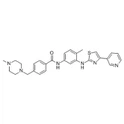
Another product we offer is Masitinib for Veterinary CAS 790299 - 79 - 5. This API is used in the treatment of certain types of tumors in animals. Although tumors themselves aren't zoonotic, an animal with a tumor might have a weakened immune system, making it more susceptible to zoonotic infections. By providing information on how this API works and its impact on the animal's immune system, we're indirectly contributing to the understanding of zoonotic disease risks.


It's also worth mentioning that we're not just about selling APIs. We're committed to being a source of knowledge for our customers. We work with veterinarians, researchers, and other stakeholders to gather and share information about zoonotic diseases. We believe that by having a well - informed community, we can better manage and prevent the spread of these diseases.
Now, you might be wondering about the connection between Veterinary APIs and human APIs. We also supply API Urokinase From Human Urine. While this is a human API, the knowledge and research behind it can sometimes cross - over. For example, understanding how the body processes an API in humans can give us insights into how similar APIs might work in animals, and vice versa. This cross - knowledge can be valuable when it comes to understanding zoonotic diseases, as some of the biological mechanisms involved in disease transmission are similar across species.
In conclusion, while not all Veterinary APIs directly provide information on zoonotic diseases, there's a lot of potential for them to contribute to the overall understanding and prevention of these diseases. As a supplier, we're doing our part to ensure that the information we provide is as comprehensive as possible. Whether it's through the product labels, research papers, or direct communication with our customers, we want to make sure that everyone involved in animal health is aware of the zoonotic risks and how our APIs can play a role in managing them.
If you're in the business of veterinary medicine, whether you're a vet, a researcher, or a pharmaceutical company, I encourage you to reach out to us. We're always open to discussions about our Veterinary APIs, how they can be used, and the latest information on zoonotic diseases. Let's work together to keep our animals and humans healthy!
References
- Centers for Disease Control and Prevention. (2023). Zoonotic Diseases.
- World Health Organization. (2023). Zoonoses and Public Health.