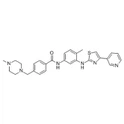
Hey there! As a supplier of Mavacoxib (CAS 170569 - 88 - 7), I've seen a lot of interest in how this stuff affects the body's inflammatory response. So, let's dive right in and explore this topic.
First off, what is Mavacoxib? It's a non - steroidal anti - inflammatory drug (NSAID) that's mainly used in veterinary medicine. Yeah, it's mostly for our furry friends, like dogs. You know, pets can get inflammation just like us humans. Whether it's from arthritis, post - operative pain, or other issues, inflammation can really mess with their quality of life.
How Inflammation Works
Before we get into how Mavacoxib impacts inflammation, let's quickly go over how inflammation works in the body. When there's an injury or infection, the body's immune system kicks into gear. It sends out a bunch of signals and cells to the affected area. This is the body's way of trying to protect itself and start the healing process.
One of the key players in this process is an enzyme called cyclooxygenase (COX). There are two main types: COX - 1 and COX - 2. COX - 1 is involved in maintaining normal body functions, like protecting the stomach lining and helping with blood clotting. On the other hand, COX - 2 is produced in response to inflammation and pain. When it's activated, it leads to the production of prostaglandins, which are chemicals that cause pain, swelling, and redness.
Mavacoxib's Mechanism of Action
Mavacoxib is a selective COX - 2 inhibitor. That means it targets the COX - 2 enzyme specifically, while leaving the COX - 1 enzyme mostly alone. By inhibiting COX - 2, Mavacoxib reduces the production of prostaglandins in the inflamed area. This, in turn, helps to relieve pain, swelling, and inflammation.
Let's talk about the benefits of this selective action. Since it doesn't mess with COX - 1 as much, there's a lower risk of some of the common side effects associated with traditional NSAIDs. For example, traditional NSAIDs that block both COX - 1 and COX - 2 can cause stomach ulcers and bleeding because they interfere with the protective function of COX - 1 in the stomach. With Mavacoxib, that risk is significantly reduced.
Effects on the Inflammatory Response
When it comes to the actual effects on the body's inflammatory response, Mavacoxib has some pretty cool results. In dogs with arthritis, it can really improve their mobility. You know, those old dogs that have a hard time getting up or going for a walk? Mavacoxib can make a big difference. It reduces the pain and swelling in their joints, allowing them to move more freely.
In post - operative situations, it helps to manage pain and inflammation after surgery. This is super important because it allows the animal to recover more comfortably. A less painful recovery means the pet is more likely to eat, drink, and move around, which all contribute to a faster healing process.
But it's not just about pain and swelling. Mavacoxib also has an impact on the overall inflammatory process. By reducing the production of prostaglandins, it can help to modulate the immune response. This means that the body's over - reaction to injury or infection is toned down, which can prevent some of the long - term damage that can occur from chronic inflammation.
Side Effects and Precautions
Of course, no drug is without its potential side effects. While Mavacoxib is generally well - tolerated, there are still some things to watch out for. In some cases, dogs may experience mild gastrointestinal issues, like vomiting or diarrhea. There can also be some liver or kidney problems, although these are less common.
It's really important for veterinarians to do a thorough health check before prescribing Mavacoxib. They need to make sure the animal is a good candidate for the drug. And of course, pet owners should follow the dosing instructions carefully.
Comparison with Other Drugs
Now, there are other drugs out there that are used to treat inflammation in animals. For example, API Maropitant Citrate is often used to treat nausea and vomiting in pets, but it doesn't directly target inflammation like Mavacoxib. And Pimobendan For Veterinary Use is mainly used for heart conditions, not for reducing inflammation.
Another drug, 3β - hydroxysteroid Dehydrogenase Veterinary API Trilostane CAS 13647 - 35 - 3, is used to treat Cushing's disease in dogs. While it has an impact on the body's hormonal system, it doesn't have the same anti - inflammatory properties as Mavacoxib.
The Market Demand for Mavacoxib
The demand for Mavacoxib is growing. As more and more people are becoming pet owners, there's a greater need for effective and safe drugs to treat their pets' health issues. And since Mavacoxib offers a good balance between efficacy and safety, it's becoming a popular choice among veterinarians.
Conclusion
In conclusion, Mavacoxib is a really interesting drug when it comes to the body's inflammatory response. Its selective COX - 2 inhibition helps to reduce pain, swelling, and inflammation while minimizing some of the common side effects associated with traditional NSAIDs. Whether it's for treating arthritis or post - operative pain in dogs, it has proven to be a valuable tool in veterinary medicine.
If you're in the market for high - quality Mavacoxib (CAS 170569 - 88 - 7), feel free to reach out to discuss your procurement needs. We're here to provide you with the best products and support to meet your requirements.


References
- "Veterinary Pharmacology and Therapeutics" by Jim E. Riviere and Mark G. Papich.
- Research articles on Mavacoxib published in veterinary science journals.