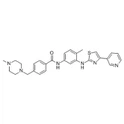
Trilostane, with the CAS number 13647 - 35 - 3, is a well - known drug in the veterinary field, especially for treating Cushing's syndrome in dogs. As a supplier of Trilostane CAS 13647 - 35 - 3, I've got a lot of feedback and have done some research on its effects on the liver. In this blog, I'll share what I've learned about how Trilostane impacts the liver.
How Trilostane Works
First off, let's understand what Trilostane does. It's a steroidogenesis inhibitor. In simpler terms, it stops the body from making too many corticosteroids. Cushing's syndrome in dogs happens when their bodies produce an excessive amount of these corticosteroids. By blocking the enzymes involved in corticosteroid production, Trilostane helps bring the levels back to normal.
When a dog takes Trilostane, it gets absorbed into the bloodstream and then makes its way to the adrenal glands, where corticosteroids are produced. Once there, it inhibits the activity of 3 - beta - hydroxysteroid dehydrogenase, an enzyme crucial for corticosteroid synthesis. This leads to a decrease in the production of cortisol, the primary corticosteroid associated with Cushing's syndrome.
Positive Effects on the Liver
Now, let's talk about the positive impacts of Trilostane on the liver. When a dog has Cushing's syndrome, the excessive corticosteroids can cause a range of problems in the liver. High levels of cortisol can lead to hepatic lipidosis, which is the accumulation of fat in the liver cells. This can make the liver enlarged and less efficient at its normal functions, like detoxifying the body and producing bile.
By reducing the production of corticosteroids, Trilostane helps reverse these negative effects. As the cortisol levels drop, the liver starts to shed the excess fat. This can lead to a reduction in liver size and an improvement in liver function. In many cases, dogs that have been on Trilostane treatment for a while show better liver enzyme levels in blood tests. For example, the levels of alanine aminotransferase (ALT) and alkaline phosphatase (ALP), which are often elevated in dogs with Cushing's - related liver problems, tend to decrease.
Another positive aspect is that by normalizing the body's hormonal balance, Trilostane can reduce the stress on the liver. The liver doesn't have to work as hard to deal with the metabolic changes caused by excessive corticosteroids. This allows the liver cells to focus on their normal functions, such as filtering toxins from the blood and producing proteins.
Potential Negative Effects on the Liver
However, like any drug, Trilostane isn't without its potential drawbacks when it comes to the liver. In some cases, dogs may experience liver toxicity as a side effect of Trilostane treatment. This is relatively rare, but it can be serious.
Liver toxicity can manifest in several ways. Some dogs may show signs of jaundice, where their gums, eyes, and skin turn yellow. This happens when the liver is unable to process bilirubin, a waste product, properly. Other symptoms can include lethargy, loss of appetite, and vomiting.
The exact mechanism behind Trilostane - induced liver toxicity isn't fully understood. It's thought that in some dogs, the drug or its metabolites may cause damage to the liver cells directly. This could be due to an individual dog's genetic makeup or other underlying health conditions that make their liver more susceptible to the drug's effects.
It's also important to note that the risk of liver toxicity may increase if the dog is on other medications that are also processed by the liver. For example, if a dog is taking medications for other health issues, such as [Pharmaceutical Compound Denaverine HCL](veterinary - apis/small - molecular - compounds - for - veterinary/pharmaceutical - compound - denaverine - hcl.html), the combination of these drugs could put extra stress on the liver.
Monitoring the Liver During Trilostane Treatment
Given the potential for both positive and negative effects on the liver, it's crucial to monitor a dog's liver function closely during Trilostane treatment. Veterinarians usually recommend regular blood tests to check the levels of liver enzymes. These tests can detect early signs of liver problems, allowing for adjustments in the treatment plan if necessary.
In addition to blood tests, veterinarians may also perform a physical examination of the dog to check for any signs of liver enlargement or other abnormalities. They may also ask about the dog's behavior and appetite, as changes in these can be indicators of liver issues.

If liver toxicity is suspected, the veterinarian may stop the Trilostane treatment temporarily or reduce the dosage. In some cases, additional medications may be prescribed to support liver function.
Comparing Trilostane with Other Drugs
When considering the effects of Trilostane on the liver, it's also useful to compare it with other drugs used in veterinary medicine. For example, [Maropitant Citrate CAS 147116 - 67 - 4](veterinary - apis/small - molecular - compounds - for - veterinary/maropitant - citrate - cas - 147116 - 67 - 4.html) is mainly used to treat nausea and vomiting in dogs. It generally has a different mode of action and a different set of side effects compared to Trilostane. While Maropitant Citrate is relatively well - tolerated, it's important to note that no drug is completely without risk, and its impact on the liver should also be monitored in some cases.
[Pimobendan](veterinary - apis/small - molecular - compounds - for - veterinary/pimobendan.html) is another drug commonly used in veterinary cardiology. It helps improve the heart's function in dogs with congestive heart failure. Similar to Trilostane, Pimobendan is metabolized in the liver, and there's a potential for liver - related side effects, although they may not be as directly related to hormonal regulation as with Trilostane.
Conclusion
In conclusion, Trilostane can have both positive and negative effects on the liver. On one hand, it can help improve liver function in dogs with Cushing's syndrome by reducing the negative impacts of excessive corticosteroids. On the other hand, there's a small risk of liver toxicity in some dogs.
As a supplier of Trilostane CAS 13647 - 35 - 3, I understand the importance of providing high - quality products and ensuring that veterinarians and pet owners are well - informed about the drug's effects. If you're a veterinarian or a pet owner interested in learning more about Trilostane or looking to purchase it, feel free to reach out for a procurement discussion. We're here to help you make the best decisions for your furry friends.
References
- Kintzer PP, Peterson ME. Treatment of pituitary - dependent hyperadrenocorticism in dogs with trilostane. J Am Vet Med Assoc. 2001;219(8):1092 - 1096.
- Feldman EC, Nelson RW. Canine and Feline Endocrinology and Reproduction. 4th ed. St. Louis, MO: Saunders Elsevier; 2009.