Hey there! As a supplier of Trilostane (CAS 13647-35-3), I often get asked about the potential allergic reactions to this compound. So, I thought I'd put together this blog post to share some insights.
Trilostane is a medication that's commonly used in veterinary medicine, especially for treating Cushing's disease in dogs. It works by inhibiting the production of certain hormones in the adrenal glands. But like any medication, it can cause allergic reactions in some individuals.
Common Allergic Reactions
The most common allergic reactions to Trilostane can range from mild to severe. Mild reactions might include things like skin rashes, itching, or hives. You might notice your furry friend scratching more than usual or see red, bumpy patches on their skin. These reactions are usually the body's immune system reacting to the drug as a foreign substance.
Another mild allergic reaction could be swelling, often around the face, lips, or eyes. If you see your dog's face looking a bit puffy or their eyes looking a bit swollen, it could be a sign of an allergic response.
In some cases, dogs might also experience gastrointestinal issues as an allergic reaction. This can include vomiting, diarrhea, or a loss of appetite. If your dog suddenly starts throwing up or has loose stools after starting Trilostane, it's something to keep an eye on.

Severe Allergic Reactions
While less common, severe allergic reactions to Trilostane can be life - threatening. Anaphylaxis is the most serious type of allergic reaction. Symptoms of anaphylaxis can include difficulty breathing, rapid or weak pulse, collapse, and pale gums. If you notice any of these symptoms in your dog, it's an emergency situation, and you should get them to a vet immediately.
Risk Factors
There are certain factors that can increase the risk of a dog having an allergic reaction to Trilostane. Dogs with a history of allergies to other medications are more likely to react to Trilostane. Also, some breeds might be more predisposed to allergic reactions in general. For example, breeds like Labrador Retrievers and Golden Retrievers are known to have a higher incidence of allergies.
Age can also play a role. Puppies and senior dogs might have a weaker immune system, making them more susceptible to allergic reactions.
Diagnosis and Treatment
If you suspect that your dog is having an allergic reaction to Trilostane, the first step is to stop giving the medication and contact your vet. The vet will likely perform a physical examination and might run some tests to confirm the allergic reaction. This could include blood tests or skin tests.
For mild allergic reactions, the vet might prescribe anti - histamines to reduce the itching and swelling. They might also recommend a change in the dog's diet to help soothe the gastrointestinal issues if present.
In the case of severe allergic reactions like anaphylaxis, the dog will need immediate treatment with epinephrine to reverse the life - threatening symptoms. After that, they'll likely be hospitalized for further observation and treatment.
How We Can Help
As a supplier of Trilostane (CAS 13647-35-3), we're committed to providing high - quality products. We understand the importance of safety when it comes to medications for our furry friends. Our Trilostane is produced under strict quality control standards to minimize the risk of adverse reactions.
If you're in the market for Trilostane for veterinary use, you can trust us to provide you with a reliable product. And we're not just about selling the product. We also offer support and information to our customers. If you have any questions about Trilostane, its potential allergic reactions, or how to use it safely, our team is here to help.
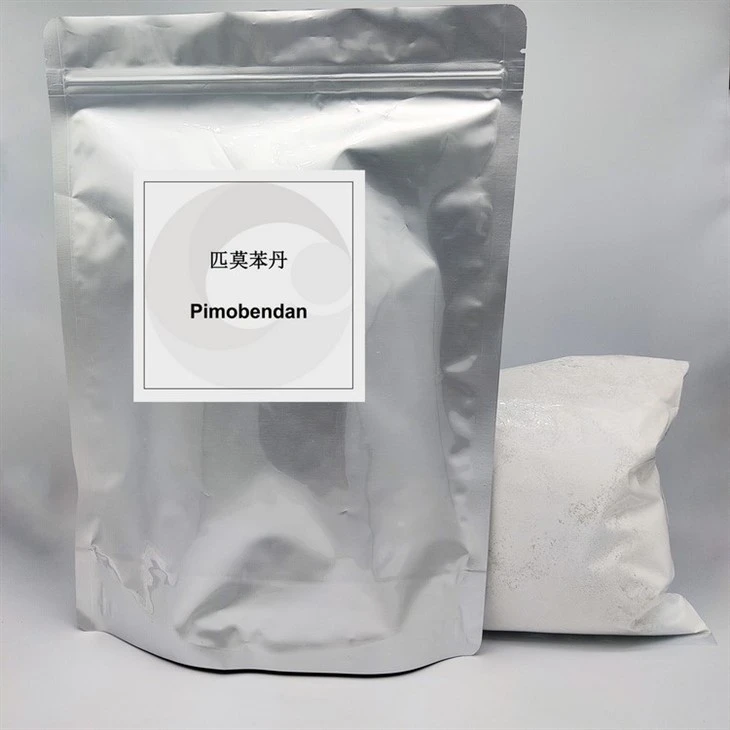
We also supply other veterinary APIs. For example, you might be interested in API Pimobendan For Veterinary Use, which is used for treating heart conditions in dogs. Or API Neostigmine Methyl Sulfate Cholinesterase Inhibitor, which has its own set of applications in veterinary medicine. And don't forget about Pimobendan API 74150-27-9, another important API for veterinary use.
If you're a vet, a pet owner, or someone involved in the veterinary industry and you're interested in purchasing Trilostane or any of our other products, we'd love to hear from you. Just reach out to us, and we can start a conversation about your needs. We're here to make sure you get the best products for your animals and that you have all the information you need to use them safely.
Conclusion
In conclusion, while Trilostane is a useful medication for treating Cushing's disease in dogs, it can cause allergic reactions in some cases. Being aware of the potential reactions, risk factors, and how to handle them is crucial for the well - being of your pet. As a supplier, we're dedicated to providing safe and effective products and supporting our customers in their veterinary needs. So, if you're looking for high - quality Trilostane or other veterinary APIs, don't hesitate to contact us for more information and to start the purchasing process.
References
- "Veterinary Pharmacology and Therapeutics" by Jim E. Riviere and Mark G. Papich
- "Current Veterinary Therapy" series, which provides up - to - date information on veterinary treatments and medications.