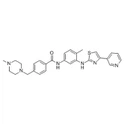
In the ever - evolving field of veterinary medicine, Toceranib (CAS 356068 - 94 - 5) has emerged as a significant player in the treatment of certain types of cancers in dogs. As a reliable supplier of Toceranib, understanding and adhering to its quality control standards is not only our responsibility but also the key to ensuring the safety and effectiveness of the product. In this blog, we will delve into the essential quality control standards for Toceranib, which we strictly follow in our supply process.
Chemical Purity
One of the most fundamental quality control standards for Toceranib is its chemical purity. High - purity Toceranib is crucial for achieving the desired therapeutic effects in veterinary applications. We use advanced analytical techniques, such as high - performance liquid chromatography (HPLC), to accurately measure the purity of Toceranib. By using HPLC, we can separate and quantify the different chemical components in the sample. The acceptable purity level for Toceranib that we supply is typically above 99%. Any impurities in the compound can not only reduce its potency but also pose potential risks to the health of animals. For example, impurities might interact with other substances in the body or cause unwanted side effects. Therefore, maintaining high chemical purity through strict quality control measures is of utmost importance.

Identity Confirmation
Confirming the identity of Toceranib is another vital quality control step. We use a combination of techniques including infrared spectroscopy (IR), nuclear magnetic resonance (NMR), and mass spectrometry (MS). IR spectroscopy helps us identify the functional groups present in Toceranib, which is crucial for verifying its chemical structure. NMR provides detailed information about the molecular structure, including the connectivity of atoms. MS, on the other hand, helps in determining the molecular weight of Toceranib, which is a characteristic fingerprint of the compound. By cross - referencing the results from these three techniques, we can be highly confident in the identity of the Toceranib we supply. This is essential because using a mis - identified compound can lead to ineffective treatment and endanger the lives of animals.
Physical Properties
The physical properties of Toceranib also play a significant role in its quality. We pay close attention to properties such as appearance, solubility, and melting point. Toceranib should have a consistent appearance, usually in the form of a fine powder with a specific color. Any deviation in appearance could indicate the presence of impurities or degradation. Solubility is important as it affects the bioavailability of the drug. Toceranib should have a defined solubility profile in specific solvents, and we test this property to ensure that it meets the required standards. The melting point is another characteristic physical property. A pure Toceranib sample will have a narrow melting point range, and any significant deviation from the expected melting point can be a sign of impurities.
Residual Solvents
During the synthesis process of Toceranib, various solvents are used. However, it is essential to ensure that the residual solvent levels are within acceptable limits. Residual solvents can be harmful if present in high concentrations in the final product. We use gas chromatography (GC) to detect and quantify the residual solvents in Toceranib. Different solvents have different acceptable limits based on their toxicity levels. For example, Class 1 solvents, which are known to be highly toxic, have very low acceptable limits. By strictly controlling the residual solvent levels, we can ensure the safety of the Toceranib product for veterinary use.
Heavy Metals
Heavy metals such as lead, mercury, arsenic, and cadmium can be present as contaminants in Toceranib. These heavy metals are extremely toxic even at low levels and can cause serious health problems in animals. We use inductively coupled plasma - mass spectrometry (ICP - MS) to accurately measure the levels of heavy metals in Toceranib. The regulatory authorities have set strict limits for the presence of heavy metals in veterinary drugs, and we ensure that our Toceranib product complies with these limits. This is a critical quality control step to safeguard the well - being of animals.
Microbiological Quality
The microbiological quality of Toceranib is also an important aspect of quality control. Microbial contamination can lead to product spoilage and potential infections in animals. We conduct microbiological tests to detect the presence of bacteria, fungi, and other microorganisms. The total viable count of microorganisms should be within the acceptable range as defined by relevant standards. Additionally, we test for the absence of specific pathogens such as Salmonella and E. coli. By maintaining proper microbiological quality, we can ensure the stability and safety of the Toceranib product.
Stability Testing
Stability testing is essential to determine the shelf - life of Toceranib. We conduct accelerated stability studies by exposing the product to elevated temperatures, humidity, and light conditions. By monitoring the changes in the chemical and physical properties of Toceranib over time under these accelerated conditions, we can predict its stability under normal storage conditions. This helps us to set an appropriate expiration date for the product and ensure that it remains effective throughout its shelf - life. Any significant degradation during the stability testing can indicate the need for further optimization of the manufacturing process or packaging.
Comparison with Other Veterinary Compounds
In the veterinary API market, there are other compounds that also play important roles in animal health. For example, Denaverine Hydrochloride CAS 3321-06-0 is used for certain vascular and circulatory issues in animals. Each of these compounds has its own set of quality control standards, but the overall principles of ensuring purity, identity, and safety are similar. Another example is Trilostane CAS 13647-35-3, which is used in the treatment of Cushing's syndrome in dogs. And Cabergoline 81409-90-7 is used for hormone - related disorders.
As a Toceranib supplier, we are committed to providing the highest - quality product that meets all the necessary quality control standards. Our strict quality control measures ensure that veterinarians and pet owners can trust the products they use for their beloved animals. If you are in the market for high - quality Toceranib, we invite you to contact us for procurement discussions. We are ready to provide you with the detailed product information and support you need.
References
- [List of regulatory guidelines for veterinary APIs]
- [Scientific research papers on Toceranib and its applications]
- [Textbooks on pharmaceutical quality control and analysis]