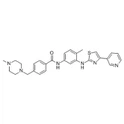
Altrenogest, identified by its CAS number 850 - 52 - 2, is a synthetic progestogen commonly used in veterinary medicine, particularly in the management of the estrous cycle in female animals, such as pigs and horses. As a reliable supplier of Altrenogest (CAS 850 - 52 - 2), understanding the residue limits of this compound in animal products is crucial for ensuring food safety and regulatory compliance. In this blog post, we will delve into the details of Altrenogest residue limits, the reasons behind these regulations, and their implications for the industry.

Understanding Altrenogest and Its Uses
Altrenogest is a potent progestin that mimics the action of natural progesterone in the body. In pigs, it is used to synchronize estrus, which helps in the efficient management of breeding programs. By controlling the estrous cycle, farmers can better plan for artificial insemination, leading to increased productivity and more consistent litter sizes. In horses, Altrenogest is used to suppress estrus behavior, which can be beneficial for performance horses, as it reduces the distractions associated with the estrous cycle during training and competition.

Residue Limits: A Necessity for Food Safety
The presence of drug residues in animal products is a significant concern for human health. When animals are treated with veterinary drugs like Altrenogest, there is a possibility that traces of the drug or its metabolites may remain in the meat, milk, or other edible products derived from these animals. These residues can pose potential risks to consumers, such as allergic reactions, antibiotic resistance (in the case of antimicrobial drugs), or endocrine - disrupting effects.
To safeguard public health, regulatory authorities around the world have established maximum residue limits (MRLs) for veterinary drugs, including Altrenogest. MRLs are defined as the maximum concentration of a drug residue (expressed in μg/kg or ppb) that is legally permitted in a particular food product of animal origin. These limits are based on extensive scientific research, including toxicological studies, pharmacokinetic data, and dietary exposure assessments.
Residue Limits of Altrenogest in Different Animal Products
1. Poultry and Pigs
In the European Union (EU), the MRL for Altrenogest in muscle, fat, liver, and kidney of pigs and poultry is set at 10 μg/kg. These limits ensure that the consumption of meat from treated animals does not expose consumers to excessive levels of the drug. The establishment of these MRLs takes into account the normal consumption patterns of meat products and the potential health effects of Altrenogest residues.
2. Horses
When it comes to horses, the situation is a bit different. Since horses are not typically raised for food consumption in most Western countries, the focus is more on the detection of Altrenogest in equine sports. In horse racing and other equestrian competitions, strict rules are in place to prevent the use of performance - enhancing drugs, including Altrenogest. The threshold for detecting Altrenogest in equine urine or blood samples is extremely low, often in the range of nanograms per milliliter, to ensure fair competition and the integrity of the sport.
Factors Affecting Altrenogest Residues in Animal Products
Several factors can influence the level of Altrenogest residues in animal products. These include: - Dosage and Administration: The amount of Altrenogest administered to the animal and the route of administration (oral, injectable, etc.) can have a significant impact on the residue levels. Higher doses and certain administration methods may result in longer - lasting and higher - level residues. - Withdrawal Period: The withdrawal period is the time interval between the last administration of the drug and the slaughter or milking of the animal. A sufficient withdrawal period allows the drug to be metabolized and eliminated from the animal's body, reducing the risk of residues in the edible products. Regulatory authorities specify the appropriate withdrawal periods for different animal species and products to ensure compliance with MRLs. - Animal Metabolism: The metabolism of Altrenogest varies among different animal species. Some animals may metabolize the drug more rapidly than others, leading to lower residue levels in their products. Factors such as age, sex, and health status of the animal can also affect its metabolic rate.
Importance of Compliance with Residue Limits
Compliance with Altrenogest residue limits is not only a legal requirement but also essential for maintaining the reputation of the animal - farming and food - processing industries. Non - compliance can lead to serious consequences, including: - Food Safety Risks: As mentioned earlier, excessive drug residues in animal products can pose health risks to consumers. Ensuring compliance with MRLs helps to protect public health and prevent food - borne illnesses. - Trade Restrictions: Many countries have strict import regulations regarding drug residues in animal products. Non - compliant products may be rejected at the border, leading to significant economic losses for producers and exporters. - Loss of Consumer Confidence: In an era where consumers are increasingly concerned about the safety and quality of their food, a single incident of non - compliance can damage the reputation of an entire industry. Maintaining high standards of residue control helps to build and maintain consumer trust.

Our Role as an Altrenogest Supplier
As a supplier of Altrenogest (CAS 850 - 52 - 2), we are committed to providing high - quality products that meet all relevant regulatory standards. We work closely with our customers, including farmers, veterinarians, and animal - health companies, to ensure that they have access to accurate information about the proper use of Altrenogest and the importance of compliance with residue limits.
In addition to Altrenogest, we also offer other veterinary APIs, such as Pimobendan API 74150 - 27 - 9, Dexmedetomidine Hydrochloride for Veterinary CAS 145108 - 58 - 3, and Masitinib for Veterinary CAS 790299 - 79 - 5. These products are also subject to strict quality control and regulatory requirements to ensure their safety and efficacy in veterinary applications.
Conclusion
The residue limits of Altrenogest in animal products are an important aspect of food safety and regulatory compliance. By understanding these limits and the factors that affect residue levels, producers, suppliers, and consumers can work together to ensure the safety and quality of animal - derived food products. As a reliable supplier of Altrenogest, we are dedicated to supporting the industry in meeting these standards. If you are interested in purchasing Altrenogest or any of our other veterinary APIs, please feel free to contact us for more information and to start a procurement negotiation.

References
- European Union Commission Regulation (EU) No 37/2010 on pharmacologically active substances and their classification regarding maximum residue limits in foodstuffs of animal origin.
- World Health Organization (WHO) guidelines on the safety assessment of veterinary drug residues in food.
- Scientific literature on the pharmacokinetics and toxicology of Altrenogest in different animal species.