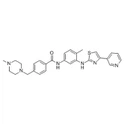
Hey there! I'm a supplier of Toceranib (CAS 356068 - 94 - 5). Today, I wanna chat about the short - term effects of using this compound.
First off, let's understand what Toceranib is. It's a tyrosine kinase inhibitor that's mainly used in veterinary medicine, especially for treating certain types of cancers in dogs. Tyrosine kinases are enzymes that play a crucial role in cell growth, division, and survival. By inhibiting these kinases, Toceranib can slow down or stop the growth of cancer cells.
Positive Short - Term Effects
Anti - Tumor Activity
One of the most significant short - term effects of Toceranib is its anti - tumor activity. In many cases, within just a few weeks of starting treatment, you can see a reduction in the size of the tumor. This is really exciting for pet owners because it gives them hope that their furry friends are getting better. For example, in some dogs with mast cell tumors, which are a common type of cancer in canines, Toceranib has been shown to shrink the tumors and improve the overall quality of life. The dog may start to feel more energetic, eat better, and show fewer signs of discomfort associated with the tumor.
Improved Clinical Signs
Another positive short - term effect is the improvement of clinical signs related to the cancer. Dogs with cancer often experience symptoms like lethargy, loss of appetite, and pain. After starting Toceranib treatment, many of these symptoms start to improve. They become more active, start eating normally again, and seem to be in less pain. This is not only beneficial for the dog's physical health but also for their mental well - being. A happier and more active dog means a happier owner, too.
Negative Short - Term Effects
Gastrointestinal Issues
One of the most common short - term side effects of Toceranib is gastrointestinal problems. Dogs may experience vomiting, diarrhea, or a decreased appetite. These symptoms usually start within the first week or two of treatment. The reason for these issues is that Toceranib can affect the normal cells in the gastrointestinal tract, which are also rapidly dividing. However, these side effects are usually manageable. Vets may adjust the dosage or prescribe medications to help control the vomiting and diarrhea. In most cases, as the dog's body adjusts to the medication, these symptoms start to subside.
Hematological Changes
Toceranib can also cause some hematological changes in the short term. This means that it can affect the blood cells. For example, it may cause a decrease in the number of platelets, which are important for blood clotting. A decrease in platelets can lead to an increased risk of bleeding. Vets usually monitor the dog's blood regularly during the treatment to detect these changes early. If the platelet count drops too low, they may need to adjust the treatment plan.
Skin Reactions
Some dogs may develop skin reactions as a short - term effect of Toceranib. This can include redness, itching, or hair loss. These reactions are usually mild and can be managed with topical treatments. The skin is another area where there are rapidly dividing cells, and Toceranib can have an impact on them.
How to Manage the Short - Term Effects
Monitoring
Regular monitoring is key when using Toceranib. Vets will usually perform physical examinations, blood tests, and imaging studies to keep an eye on the dog's condition. This helps them detect any side effects early and make appropriate adjustments to the treatment plan. For example, if the dog is experiencing severe vomiting, the vet may reduce the dosage of Toceranib or switch to a different treatment.
Supportive Care
Supportive care is also important in managing the short - term effects. This can include providing medications to control vomiting and diarrhea, giving supplements to support the dog's immune system, and ensuring that the dog is getting proper nutrition. A well - nourished dog is better able to tolerate the side effects of the medication and recover from the cancer.
Comparison with Other Veterinary APIs
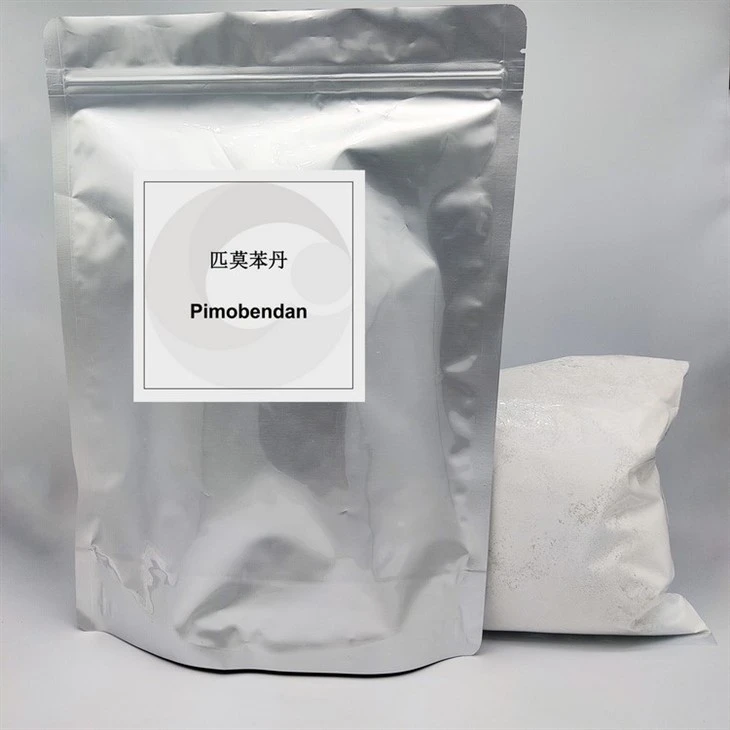
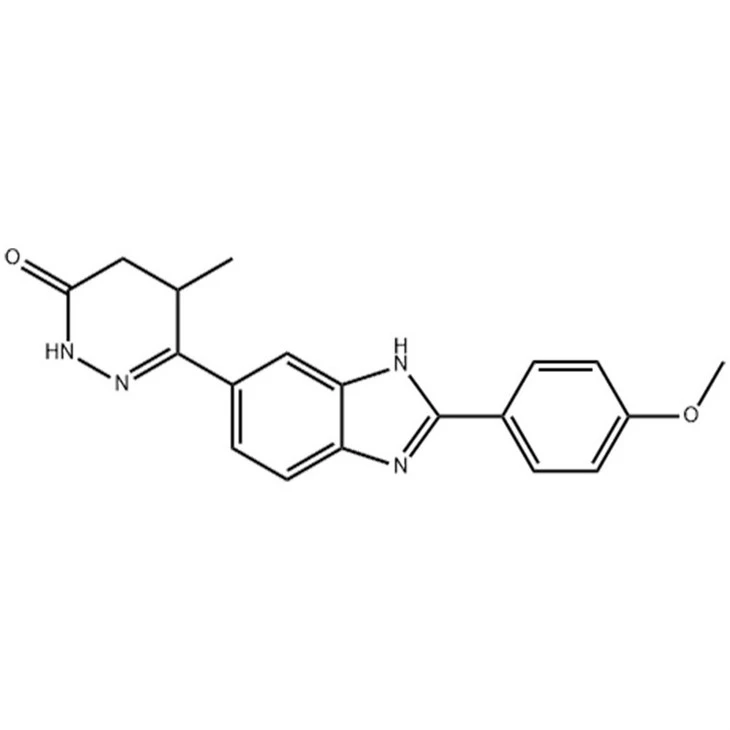
If you're considering different options for treating your pet's condition, it's worth looking at some other APIs we offer. For example, API Denaverine HCL Muscle Relaxant For The Myometrium is used for muscle relaxation in the myometrium, which can be useful in certain reproductive conditions in animals. API Pimobendan For Veterinary Use is often used for treating heart conditions in dogs. And Altrenogest CAS 850 - 52 - 2 has applications in controlling the estrous cycle in animals.
Conclusion
In conclusion, Toceranib has both positive and negative short - term effects. The anti - tumor activity and improvement of clinical signs are really great, but we also need to be aware of the potential side effects like gastrointestinal issues, hematological changes, and skin reactions. With proper monitoring and supportive care, these side effects can be managed, and the benefits of the treatment usually outweigh the risks.
If you're a vet or a pet owner interested in purchasing Toceranib (CAS 356068 - 94 - 5) or any of our other veterinary APIs, feel free to reach out. We're here to provide you with high - quality products and support. Contact us to start a conversation about your specific needs and how we can help you.
References
- "Toceranib phosphate: a novel receptor tyrosine kinase inhibitor for the treatment of mast cell tumors in dogs" - Journal of Veterinary Internal Medicine
- "Safety and efficacy of toceranib phosphate (Palladia) for the treatment of canine mast cell tumors" - Veterinary and Comparative Oncology