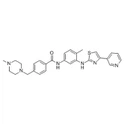
Trilostane, identified by the CAS number 13647-35-3, is a significant compound in the veterinary and medical fields. As a supplier of Trilostane, understanding its proper storage conditions is crucial to maintain its quality and efficacy. In this blog, I'll delve into the storage requirements for Trilostane, exploring factors that influence its stability and how to ensure its long - term viability.
Chemical Properties of Trilostane
Before discussing storage conditions, it's essential to understand the chemical nature of Trilostane. Trilostane is a synthetic steroid that acts as an inhibitor of 3β - hydroxysteroid dehydrogenase. This property makes it useful in treating conditions related to excessive cortisol production, such as Cushing's syndrome in dogs. Chemically, it has a specific molecular structure that is sensitive to various environmental factors.
Temperature Requirements
One of the most critical factors in storing Trilostane is temperature. Generally, Trilostane should be stored at a cool and stable temperature. A temperature range of 2 - 8°C (36 - 46°F) is often recommended. This refrigerated environment helps slow down chemical reactions that could lead to the degradation of the compound.
Higher temperatures can accelerate the breakdown of Trilostane. For instance, if the storage temperature exceeds 25°C (77°F), the rate of chemical degradation may increase significantly. This can lead to a reduction in the potency of the product, which is unacceptable, especially for medical applications. On the other hand, extremely low temperatures, below freezing point, can also cause problems. Freezing can change the physical state of the compound, potentially affecting its solubility and bioavailability.
When transporting Trilostane, it's equally important to maintain the appropriate temperature. Specialized cold - chain logistics are often required to ensure that the product remains within the recommended temperature range during transit. This might involve using insulated containers with ice packs or refrigerated transport vehicles.
Light Sensitivity
Trilostane is sensitive to light. Exposure to direct sunlight or intense artificial light can cause photochemical reactions, which may lead to the formation of impurities and a decrease in the quality of the compound. To protect Trilostane from light, it should be stored in opaque containers. These containers prevent light from reaching the product and minimize the risk of photodegradation.
In a storage facility, the location of the Trilostane containers also matters. They should be placed in areas away from windows or strong light sources. If the storage area has artificial lighting, it's advisable to use low - intensity lights or lights with a wavelength that is less likely to cause damage to the compound.
Humidity Control
Humidity is another factor that can affect the stability of Trilostane. High humidity levels can cause the compound to absorb moisture from the air, leading to clumping and potential chemical changes. Moisture can also promote the growth of microorganisms, which can contaminate the product.
The ideal relative humidity for storing Trilostane is typically below 60%. In areas with high humidity, dehumidifiers can be used to maintain the appropriate humidity level. Additionally, the storage containers should be tightly sealed to prevent moisture from entering. If the containers are opened for sampling or other purposes, they should be resealed promptly to minimize the exposure to humidity.


Packaging Considerations
Proper packaging is essential for storing Trilostane. The primary packaging should be made of materials that are compatible with the compound and can provide an effective barrier against temperature, light, and humidity. Glass or high - quality plastic containers are often used for this purpose.
Secondary packaging, such as cardboard boxes, can provide an additional layer of protection. These boxes can help insulate the product from temperature changes and protect it from physical damage during storage and transportation.
Compatibility with Other Substances
When storing Trilostane, it's important to consider its compatibility with other substances. Trilostane should be stored separately from chemicals that could react with it. For example, strong oxidizing agents, acids, or bases can potentially react with Trilostane and cause degradation.
In a storage facility, different chemicals should be stored in separate areas or cabinets to prevent cross - contamination. A clear labeling system should be in place to ensure that Trilostane is easily identifiable and not accidentally mixed with other substances.
Monitoring and Quality Control
Regular monitoring of the storage conditions is necessary to ensure the quality of Trilostane. Temperature, humidity, and light levels should be checked regularly using appropriate sensors and monitoring equipment. Any deviations from the recommended storage conditions should be addressed immediately.
In addition to environmental monitoring, quality control checks of the Trilostane product itself should be conducted periodically. This can involve tests for purity, potency, and the presence of impurities. If any issues are detected, corrective actions should be taken, such as adjusting the storage conditions or disposing of the affected product.
Comparison with Other Veterinary Compounds
It's interesting to compare the storage conditions of Trilostane with other veterinary compounds. For example, Hormone Synthetic Progestational Altrenogest may have different storage requirements. Altrenogest is a synthetic progestin used in veterinary medicine, and its stability may be influenced by different factors. Understanding these differences can help in the proper storage and management of a range of veterinary products.
Similarly, Flugestone Acetate 2529 - 45 - 5 and Flumethrin CAS 69770 - 45 - 2 have their own unique storage needs. Flugestone Acetate is a synthetic progestogen, while Flumethrin is an insecticide and acaricide. Each of these compounds has a specific chemical structure and properties that determine their storage conditions.
Conclusion
In conclusion, proper storage of Trilostane (CAS 13647 - 35 - 3) is essential to maintain its quality and efficacy. Temperature, light, humidity, and packaging are all critical factors that need to be carefully controlled. By following the recommended storage conditions, we can ensure that the product remains stable and effective for its intended use.
As a supplier of Trilostane, we are committed to providing high - quality products that meet the strictest standards. If you are interested in purchasing Trilostane or have any questions about its storage or usage, please feel free to contact us for further discussion. We look forward to establishing a long - term business relationship with you.
References
- "Handbook of Pharmaceutical Excipients"
- "Veterinary Pharmacology and Therapeutics"
- Research papers on the stability of Trilostane and related steroid compounds.