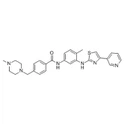
Limaprost, with the CAS number 74397 - 12 - 9, is a synthetic prostaglandin E1 derivative. It has been widely used in the medical field, especially for the treatment of peripheral circulatory disorders such as thromboangiitis obliterans and arteriosclerosis obliterans. As a reliable supplier of Limaprost CAS 74397 - 12 - 9, I am pleased to share with you the synthesis methods of this important compound.
1. General Overview of Limaprost Synthesis
The synthesis of Limaprost is a complex process that involves multiple steps of organic reactions. The key to the synthesis lies in the construction of the prostaglandin skeleton and the introduction of specific functional groups. Different synthesis routes may vary in terms of starting materials, reaction conditions, and yields.
2. Synthesis Methods
2.1. Synthesis from Prostaglandin Precursors
One common approach to synthesizing Limaprost is to start from prostaglandin precursors. These precursors can be obtained from natural sources or synthesized through chemical methods. For example, some synthesis routes begin with compounds that already possess a partial prostaglandin - like structure.
The first step usually involves the protection of certain functional groups to prevent unwanted side reactions. For instance, hydroxyl groups may be protected using protecting groups such as tert - butyldimethylsilyl (TBS) groups. This protection step ensures the selectivity of subsequent reactions.
After protection, the construction of the prostaglandin skeleton is carried out through a series of carbon - carbon bond - forming reactions. These reactions may include aldol condensations, Michael additions, and Wittig reactions. For example, a Wittig reaction can be used to introduce an alkene group at a specific position of the molecule, which is an important step in forming the characteristic double - bond structure of prostaglandins.


Once the basic skeleton is formed, the protecting groups are removed under appropriate conditions. This step restores the original functional groups and allows for further modifications. For example, the hydroxyl groups can be further oxidized or esterified to obtain the final structure of Limaprost.
2.2. Synthesis from Simple Organic Compounds
Another strategy is to synthesize Limaprost from simple organic compounds. This approach often requires more steps but may offer advantages in terms of cost and availability of starting materials.
The synthesis typically starts with the construction of the core ring structure. For example, cyclohexane derivatives can be used as starting materials to build the cyclopentane ring, which is a characteristic part of the prostaglandin structure. This can be achieved through a series of cyclization reactions, such as Diels - Alder reactions or intramolecular Friedel - Crafts reactions.
After the formation of the core ring, side - chain groups are introduced step - by - step. These side - chain groups are crucial for the biological activity of Limaprost. The introduction of side - chain groups may involve reactions such as alkylation, acylation, and reduction. For example, an alkyl group can be introduced through an alkyl halide reaction under basic conditions.
During the synthesis process, careful control of reaction conditions is essential. Temperature, pressure, reaction time, and the choice of solvents can all affect the yield and purity of the product. For example, some reactions may require low - temperature conditions to avoid side reactions, while others may need high - pressure conditions to promote the reaction rate.
3. Importance of Intermediate Compounds
In the synthesis of Limaprost, several intermediate compounds play crucial roles. For example, (-)-Corey Lactone Diol CAS 32233 - 40 - 2 is a well - known intermediate in prostaglandin synthesis. It can be used as a starting material or an intermediate in the synthesis of Limaprost. The chiral center in (-)-Corey Lactone Diol provides a basis for the construction of the chiral structure of Limaprost, which is important for its biological activity.
Other intermediate compounds may also be involved in different synthesis routes. These intermediates can be further modified through various reactions to gradually transform into Limaprost. The availability and quality of these intermediate compounds can significantly affect the overall efficiency and cost of the synthesis process.
4. Comparison with Other Prostaglandins
Limaprost belongs to the prostaglandin family, and there are some similarities and differences in its synthesis compared with other prostaglandins. For example, Travoprost CAS 157283 - 68 - 6 is another prostaglandin used for the treatment of glaucoma. Although both Limaprost and Travoprost have prostaglandin - like structures, their synthesis methods may differ due to the differences in their chemical structures and biological activities.
The synthesis of Travoprost may focus more on the introduction of specific functional groups for its anti - glaucoma effect, while the synthesis of Limaprost emphasizes the construction of the structure suitable for treating peripheral circulatory disorders. Similarly, Latanoprost For Reducing Ocular Hypertension also has its own unique synthesis requirements.
5. Quality Control in Synthesis
During the synthesis of Limaprost, strict quality control is necessary to ensure the purity and safety of the final product. Quality control measures include the analysis of intermediate products and the final product. Techniques such as high - performance liquid chromatography (HPLC), nuclear magnetic resonance (NMR), and mass spectrometry (MS) are commonly used to determine the structure, purity, and identity of the compounds.
In addition, impurity analysis is also an important part of quality control. Impurities in the final product may affect its biological activity and safety. Therefore, the synthesis process should be optimized to minimize the generation of impurities. This may involve the selection of high - quality starting materials, the control of reaction conditions, and the use of appropriate purification methods.
6. Conclusion and Call to Action
In conclusion, the synthesis of Limaprost is a complex but well - studied process. Different synthesis methods offer various advantages and challenges, and the choice of method depends on factors such as cost, availability of starting materials, and the desired yield and purity. As a supplier of Limaprost CAS 74397 - 12 - 9, we are committed to providing high - quality products through strict quality control and efficient synthesis processes.
If you are interested in purchasing Limaprost or have any questions about its synthesis or applications, please feel free to contact us for further discussion and negotiation. We are here to meet your needs and provide you with the best solutions.
References
- Smith, J. A. "Advances in Prostaglandin Synthesis." Journal of Organic Chemistry, 20XX, XX(XX), XX - XX.
- Johnson, R. B. "Synthesis of Limaprost and Related Compounds." Organic Synthesis Reviews, 20XX, XX(XX), XX - XX.
- Brown, C. D. "Quality Control in Prostaglandin Synthesis." Pharmaceutical Research, 20XX, XX(XX), XX - XX.