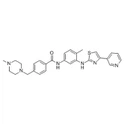
Trilostane, identified by its CAS number 13647 - 35 - 3, is a well - known compound in the field of veterinary and human medicine. As a trusted supplier of Trilostane CAS 13647 - 35 - 3, I am eager to share in - depth knowledge about its mechanism of action.
1. Introduction to Trilostane
Trilostane is a synthetic steroid that belongs to the class of 3 - β - hydroxysteroid dehydrogenase (3β - HSD) inhibitors. It was initially developed as a potential treatment for Cushing's syndrome in humans, but it has found significant application in veterinary medicine, particularly for treating hyperadrenocorticism (Cushing's disease) in dogs.
2. The Endocrine System and Adrenal Function
To understand the mechanism of action of Trilostane, it's crucial to have a basic understanding of the endocrine system, especially the role of the adrenal glands. The adrenal glands are small, triangular - shaped glands located on top of each kidney. They consist of two main parts: the outer adrenal cortex and the inner adrenal medulla.
The adrenal cortex is responsible for producing several classes of steroid hormones, including glucocorticoids (such as cortisol), mineralocorticoids (such as aldosterone), and androgens. Cortisol, in particular, plays a vital role in the body's stress response, metabolism, immune function, and regulation of blood pressure. However, excessive production of cortisol can lead to a variety of health problems, collectively known as Cushing's syndrome.
3. Mechanism of Action of Trilostane
Trilostane exerts its effects by inhibiting the enzyme 3 - β - hydroxysteroid dehydrogenase (3β - HSD). This enzyme is involved in the early steps of steroid hormone synthesis in the adrenal cortex.
3.1 Inhibition of Steroidogenesis
The synthesis of steroid hormones in the adrenal cortex starts with cholesterol. Cholesterol is first converted to pregnenolone, which is then further processed through a series of enzymatic reactions to form different steroid hormones. The conversion of pregnenolone to progesterone (a precursor for other steroid hormones) is catalyzed by 3β - HSD.
Trilostane binds to the active site of 3β - HSD, preventing the enzyme from performing its normal function. As a result, the conversion of pregnenolone to progesterone is blocked. This interruption in the steroid synthesis pathway leads to a decrease in the production of all downstream steroid hormones, including glucocorticoids, mineralocorticoids, and androgens.
In the case of treating Cushing's disease, the primary goal is to reduce the over - production of cortisol. By inhibiting 3β - HSD, Trilostane effectively lowers the cortisol levels in the body. This reduction in cortisol levels helps to alleviate the symptoms associated with Cushing's disease, such as polyuria (excessive urination), polydipsia (excessive thirst), polyphagia (excessive eating), hair loss, and muscle weakness.
3.2 Selectivity and Safety
One of the advantages of Trilostane is its relative selectivity for the adrenal cortex. It primarily targets the 3β - HSD enzyme in the adrenal glands, minimizing the impact on other tissues and organs. This selectivity helps to reduce the risk of systemic side effects compared to some other drugs used to treat Cushing's disease.
However, it's important to note that while Trilostane is relatively selective, it can still cause some side effects, especially if the dosage is not carefully adjusted. These side effects may include lethargy, anorexia, vomiting, and diarrhea. Regular monitoring of cortisol levels and the patient's clinical condition is essential to ensure the safe and effective use of Trilostane.
4. Clinical Applications in Veterinary Medicine
In veterinary medicine, Trilostane is commonly used to treat hyperadrenocorticism in dogs. Hyperadrenocorticism can be either pituitary - dependent (caused by a tumor in the pituitary gland that stimulates the adrenal glands to over - produce cortisol) or adrenal - dependent (caused by a tumor in the adrenal gland itself).
Trilostane has been shown to be effective in both types of hyperadrenocorticism. It helps to control the clinical signs of the disease, improve the quality of life of affected dogs, and may even extend their lifespan. Treatment with Trilostane typically involves an initial period of dose adjustment, followed by regular monitoring to ensure that cortisol levels are maintained within the normal range.


5. Comparison with Other Compounds
In the field of veterinary medicine, there are other compounds used for similar purposes. For example, Masitinib for Veterinary CAS 790299 - 79 - 5 is used for treating certain types of mast cell tumors in dogs. It works through a different mechanism, targeting specific tyrosine kinases involved in tumor cell growth and survival.
Altrenogest Veterinary Pharmaceuticals is a synthetic progestin used for estrus synchronization in female animals. It acts on the reproductive system by binding to progesterone receptors, regulating the estrous cycle.
Imidacloprid CAS 138261 - 41 - 3 is an insecticide used for controlling fleas on pets. It acts on the nervous system of insects, causing paralysis and death.
Each of these compounds has its unique mechanism of action and specific applications in veterinary medicine, highlighting the diversity of drugs available for different animal health conditions.
6. Conclusion and Call to Action
Trilostane (CAS 13647 - 35 - 3) is a valuable compound in the treatment of hyperadrenocorticism in dogs. Its mechanism of action, based on the inhibition of 3β - HSD, allows for targeted reduction of steroid hormone production in the adrenal cortex. As a reliable supplier of Trilostane, we are committed to providing high - quality products to meet the needs of the veterinary and medical communities.
If you are interested in purchasing Trilostane or have any questions about its use, we encourage you to contact us for further discussion and potential procurement. Our team of experts is ready to assist you in making informed decisions regarding your needs.
References
- Feldman EC, Nelson RW. Canine and Feline Endocrinology and Reproduction. 4th ed. St. Louis, MO: Saunders Elsevier; 2004.
- Kintzer PP, Peterson ME. Trilostane for the treatment of hyperadrenocorticism in dogs. Vet Clin North Am Small Anim Pract. 2003;33(6):1333 - 1352.
- Peterson ME, Kintzer PP, Kass PH. Comparison of trilostane and mitotane for treatment of pituitary - dependent hyperadrenocorticism in dogs. J Am Vet Med Assoc. 2007;231(10):1502 - 1511.