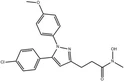
Tepoxalin is a non-steroidal anti-inflammatory drug (NSAID) primarily used in veterinary medicine, especially for the treatment of osteoarthritis in dogs. It is classified as a dual-action inhibitor, capable of simultaneously inhibiting cyclooxygenase (COX) and 5-lipoxygenase (5-LOX), thereby reducing the synthesis of prostaglandins and leukotrienes to achieve potent anti-inflammatory and analgesic effects.
1. Pharmacological Features
- Dual Mechanism of Action: Unlike traditional NSAIDs that primarily inhibit cyclooxygenase (COX), Tepoxalin also inhibits 5-lipoxygenase (5-LOX), reducing the production of both prostaglandins and leukotrienes for broader anti-inflammatory effects.
- Rapid Onset: Tepoxalin is quickly absorbed in animals and typically begins to take effect within hours.
- Active Metabolite: Tepoxalin itself has limited activity; its efficacy primarily comes from its active demethylated metabolite.
2. Primary Applications
- Treatment of Canine Osteoarthritis: Alleviates pain, inflammation, and stiffness, improving mobility and quality of life in dogs.
- Other Inflammatory Conditions: May also be used for chronic inflammation or postoperative pain management in veterinary practice.
3. Dosage Forms and Brands
- Formulation: Rapidly Disintegrating Tablets (RDTs), designed for easy oral administration in animals.
4. Regulatory and Safety Information
- Withdrawal Period: Not approved for use in food-producing animals.
- Adverse Effects: May include gastrointestinal irritation, reduced appetite, and elevated liver enzymes; monitoring of hepatic and renal function is recommended.
- Contraindications: Should not be used in pregnant or lactating animals, or those with significant liver or kidney dysfunction.