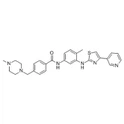
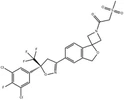
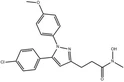
Active Pharmaceutical Ingredients (APIs) are the essential chemical or biological substances in a drug formulation that produce the desired therapeutic effect. They are the foundation of every medicine-whether it's a tablet, capsule, injection, or topical formulation-and are responsible for the drug's intended pharmacological activity. In simple terms, without APIs, a medicine would not have its healing or preventive properties. Understanding APIs, their classification, manufacturing, and regulatory requirements is crucial for pharmaceutical companies, distributors, and buyers who aim to ensure consistent quality and efficacy in their products.
What Are APIs And Why Are They Important?
In the pharmaceutical industry, a drug typically consists of two main components: the Active Pharmaceutical Ingredient (API) and the excipient. The API delivers the therapeutic effect, while excipients act as carriers, stabilizers, or fillers that help deliver the API to the body effectively. For example, in a painkiller tablet, the API relieves pain, while excipients help the tablet maintain its shape and ensure proper absorption.APIs are the backbone of modern medicine. The quality and purity of an API directly impact a drug's safety, effectiveness, and overall performance. Even small variations in API composition or production can lead to changes in drug efficacy or side effects. This is why API manufacturing is subject to strict global quality standards and continuous regulatory monitoring.
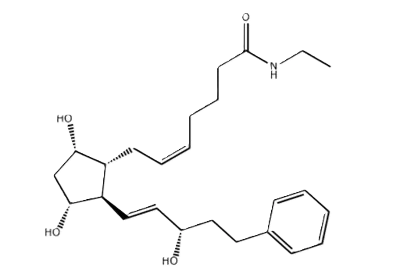
Types And Classifications Of APIs
APIs can be classified based on their origin, manufacturing process, or therapeutic function. The three main categories include:
- Synthetic APIs:These are chemically synthesized in laboratories or industrial plants. Synthetic APIs make up the majority of drugs available today, including antibiotics, cardiovascular medications, and analgesics. They are produced through precise chemical reactions and purification steps to achieve high purity and consistent quality.
- Biotechnological APIs (Biologics):These APIs are derived from living organisms using biotechnology methods such as recombinant DNA technology, cell culture, or fermentation. Examples include insulin, monoclonal antibodies, and vaccines. Biotech APIs are more complex and require specialized facilities, making their production more costly and tightly regulated.
- Natural APIs:Extracted from plants, animals, or minerals, natural APIs include compounds such as morphine (from poppy plants) and heparin (from animal tissue). Although less common than synthetic APIs today, natural APIs continue to play an important role in certain therapeutic areas, particularly in traditional and herbal medicine.
API Manufacturing And GMP Compliance
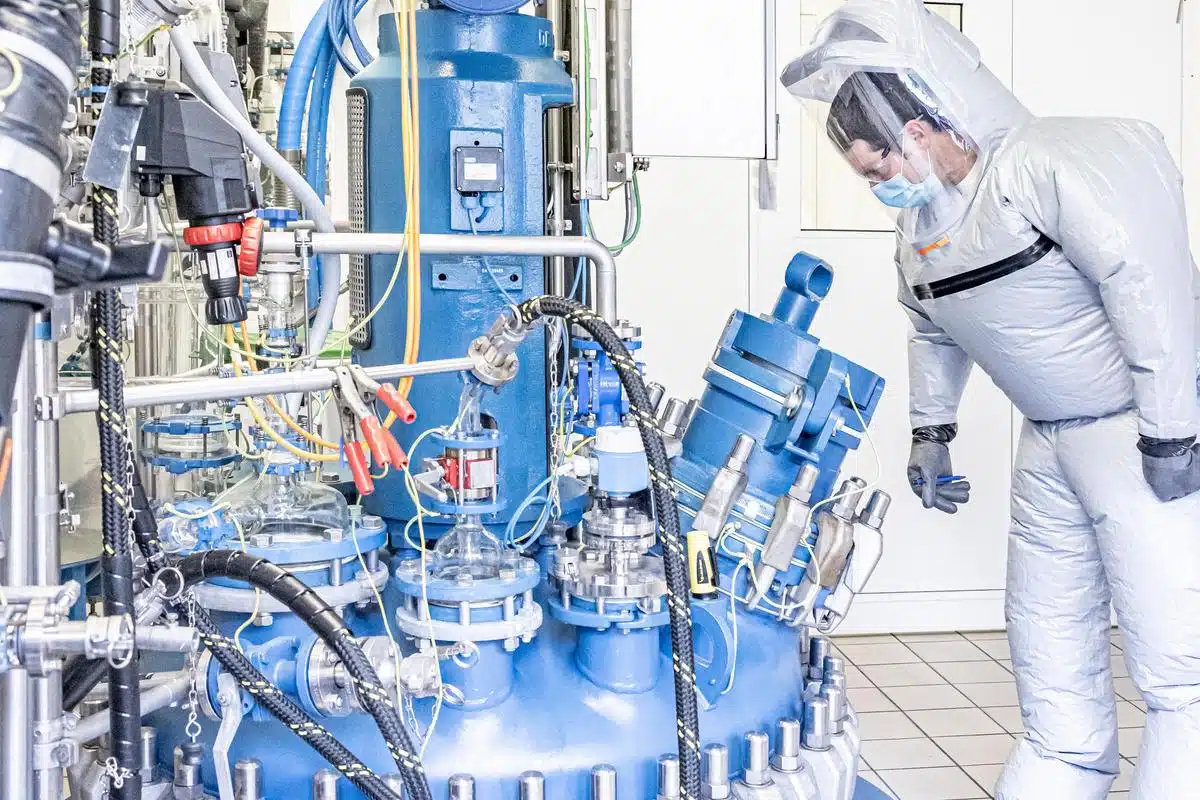
API manufacturing is a complex, multi-step process that involves synthesis, purification, drying, milling, and quality testing. Each step must adhere to Good Manufacturing Practice (GMP) standards, which are globally recognized regulations that ensure the consistent quality, safety, and traceability of pharmaceutical products.
GMP-compliant facilities must meet strict requirements for cleanliness, equipment maintenance, documentation, and personnel training. Every batch of API must undergo rigorous quality control (QC) and quality assurance (QA) testing to confirm its identity, purity, potency, and stability.
For global buyers, especially those sourcing from API suppliers in China, verifying GMP certification is one of the most important steps. Many Chinese manufacturers operate state-of-the-art facilities and comply with US FDA, EMA, or WHO GMP guidelines, making them competitive suppliers in the global pharmaceutical market.
API Regulations And Global Standards
APIs are regulated under international frameworks that ensure patient safety and product quality. Major regulatory agencies such as the U.S. Food and Drug Administration (FDA), European Medicines Agency (EMA), and National Medical Products Administration (NMPA) in China require strict compliance for both domestic and exported APIs.
Manufacturers must submit Drug Master Files (DMFs) or Active Substance Master Files (ASMFs) to these authorities, detailing their production process, analytical methods, and quality controls. Buyers should prioritize suppliers with approved or filed DMFs, as this indicates transparency and adherence to global standards.
Additionally, APIs must comply with pharmacopeial specifications such as the USP (United States Pharmacopeia), EP (European Pharmacopeia), or ChP (Chinese Pharmacopeia), which define the acceptable purity, assay, and impurity levels for each substance.
Key Considerations When Choosing An API Supplier
Selecting the right API supplier is a strategic decision that affects product quality, regulatory compliance, and business sustainability. Buyers should evaluate suppliers based on several critical factors:
- Regulatory Compliance: Ensure the supplier operates under GMP standards and holds valid certifications from recognized authorities.
- Quality Control Systems: Review the supplier's analytical methods, stability data, and documentation to confirm product consistency.
- Supply Stability: A dependable supplier should have robust manufacturing capacity and logistics systems to ensure uninterrupted delivery.
- Technical Documentation: Look for suppliers who provide comprehensive Certificates of Analysis (CoA), DMF files, and validation reports.
- Communication and Support: A reliable supplier maintains transparent communication, offers technical assistance, and responds promptly to inquiries.
Establishing long-term relationships with trustworthy suppliers fosters reliability and confidence, especially in global pharmaceutical trade, where quality and compliance are paramount.
The Role of China in the Global API Market
China is one of the world's largest producers and exporters of APIs, supplying a significant share of the global pharmaceutical industry. The country's advanced manufacturing infrastructure, skilled workforce, and cost-effective production have made it a preferred sourcing destination for international buyers.
Chinese API manufacturers increasingly meet international regulatory standards and invest in green chemistry technologies to improve sustainability and reduce environmental impact. Buyers seeking APIs from China should focus on manufacturers with proven GMP certification, export experience, and established reputations in regulated markets.
Understanding Active Pharmaceutical Ingredients (APIs) is fundamental for anyone involved in pharmaceutical production or procurement. APIs determine not only the therapeutic value of medicines but also their safety and compliance with international standards.
By familiarizing themselves with API classifications, GMP requirements, and supplier evaluation criteria, buyers can make informed decisions that protect both their brand reputation and patient safety. Whether sourcing from local or international suppliers-especially from leading markets like China-due diligence, transparency, and regulatory alignment are key to successful partnerships.
In an increasingly competitive and quality-driven global market, choosing the right API supplier means more than just finding a manufacturer-it means building a partnership based on trust, compliance, and a shared commitment to advancing healthcare worldwide.