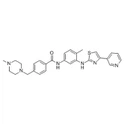
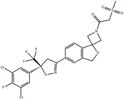
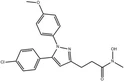
Small molecule compounds are chemical substances with a relative molecular mass less than 5000 Da. They contain a wide variety of compounds, such as:
- Pesticides
- Veterinary medicines.
- Heavy Metals
- Biotoxins
Small molecule chemicals offer substantial threats to human health and ecological safety because of the possibility for residues in food, water, and the environment. As a result, trace detection of these substances is crucial in applications such as medical diagnosis, food safety, and environmental monitoring.
Detection Methods for Small Molecule Compounds
1. Instrumental analysis.
- Gas chromatography (GC) and liquid chromatography (LC) are commonly employed to detect tiny compounds.
- Advantages include high sensitivity and accurate, integrated detection.
- Limitations include complex sample preparation, expensive instruments, and the requirement for qualified specialists.
2. Immunoassay-based detection
Immunoassays, which use the specific interaction between antigens and antibodies, have grown in popularity for small molecule detection since they:
- Strong specificity.
- High sensitivity.
- Wide linear range.
- Low signal-to-noise ratio.
Common immunoassay methods include:
- Colloidal gold chromatography
- Competitive enzyme-linked immunosorbent assays (ELISA)
- Immunoelectrochemical Analysis
These methods offer a simpler, more cost-effective alternative to instrumental analysis while maintaining high precision.
Role of Monoclonal Antibodies
- Specific antibodies constitute the basis of immunoassays, determining the quality and effectiveness of detection procedures.
- Hybridoma technology is a typical method for creating high-quality monoclonal antibodies against tiny compounds.
- Antigen design, vaccination techniques, and hybridoma cell culture conditions all have an impact on antibody generation.
High-quality monoclonal antibodies are important for:
- Veterinary Drug Monitoring
- Food Safety Testing
- Environmental contamination detection
Future Prospects
The development of small molecule monoclonal antibodies promises to improve:
- Precision in Animal Medicine
- Rapid and precise residue analysis in food and the environment
- Advancements in point-of-care detection systems for tiny molecules
- Summary:
Small molecule compounds, while essential in agriculture and medicine, can pose health and environmental concerns. Their detection, whether using chromatography or immunoassay, is critical for safety monitoring. With monoclonal antibodies playing a key role in immunoassays, the future of small molecule detection appears to be more efficient, sensitive, and accessible.