Yo, folks! As a supplier of human prostaglandins, I've been diving deep into all sorts of questions about these little biochemical wonders. One question that's been popping up a lot lately is, "Can human prostaglandins be affected by high - altitude exposure?" Let's dig into this topic and see what we can find out.

First off, let's quickly go over what prostaglandins are. Prostaglandins are hormone - like substances that are made in almost every cell of the body. They play a crucial role in a whole bunch of bodily functions, like inflammation, blood flow, and the contraction and relaxation of smooth muscles. In the medical field, prostaglandins are used for various treatments, from reducing eye pressure in glaucoma patients to inducing labor.
Now, when it comes to high - altitude exposure, the human body goes through some pretty significant changes. At high altitudes, the air is thinner, which means there's less oxygen available. This lack of oxygen, or hypoxia, triggers a series of physiological responses in the body.
One of the key responses to high - altitude hypoxia is an increase in blood flow to vital organs. The body tries to compensate for the low oxygen levels by sending more blood, and thus more oxygen, to the heart, brain, and other important parts. Prostaglandins are known to be involved in regulating blood flow. Some prostaglandins, like prostacyclin, cause blood vessels to dilate, which helps increase blood flow.
Research has shown that during high - altitude exposure, the production of certain prostaglandins may change. For example, studies have found that the levels of prostacyclin tend to increase in response to hypoxia. This increase in prostacyclin is thought to be a part of the body's adaptive mechanism to improve blood flow and oxygen delivery at high altitudes.
On the other hand, high - altitude exposure can also lead to oxidative stress in the body. Oxidative stress occurs when there's an imbalance between the production of reactive oxygen species (ROS) and the body's ability to neutralize them. Prostaglandins can be affected by oxidative stress. Oxidants can modify the structure and function of prostaglandins, potentially altering their biological activity.
Another aspect to consider is the impact of high - altitude exposure on the immune system. At high altitudes, the immune system is often activated, and inflammation can occur. Prostaglandins are closely linked to the inflammatory response. Some prostaglandins, such as prostaglandin E2, are pro - inflammatory, meaning they promote inflammation. So, it's possible that high - altitude exposure could lead to changes in the levels of these pro - inflammatory prostaglandins, which could then affect the overall inflammatory state of the body.
Now, let's talk about the implications of these changes in prostaglandin levels for human health. For people who are used to living at high altitudes, their bodies have adapted to these changes over time. However, for those who are not acclimated and suddenly exposed to high altitudes, the changes in prostaglandin levels could contribute to altitude - related illnesses, such as acute mountain sickness (AMS).
AMS is a common condition that affects people who ascend to high altitudes too quickly. Symptoms include headache, nausea, vomiting, and fatigue. The changes in prostaglandin levels, especially the increase in pro - inflammatory prostaglandins, could play a role in the development of these symptoms. By understanding how high - altitude exposure affects prostaglandins, we might be able to develop better strategies for preventing and treating AMS.
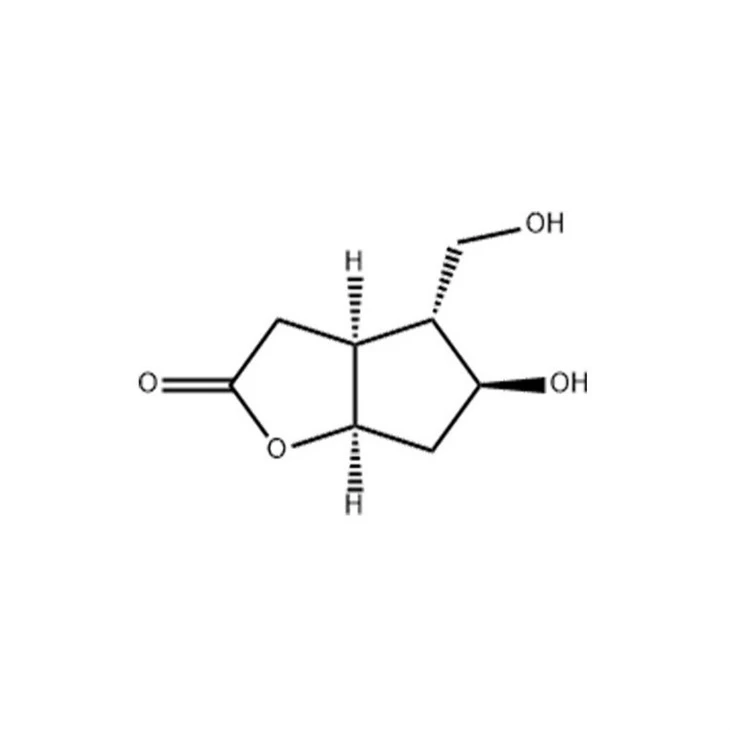
As a human prostaglandins supplier, I'm always interested in how these substances interact with different environmental factors. We offer a wide range of high - quality human prostaglandins, like Travoprost CAS 157283 - 68 - 6, Prostaglandins Corey Lactone Diol For Human Use, and (-)-Corey Lactone Benzoate CAS 39746 - 00 - 4. These products are carefully manufactured to meet the highest standards of quality and purity.
If you're in the medical research field or involved in the development of pharmaceutical products, our prostaglandins could be a valuable addition to your projects. Whether you're studying the effects of high - altitude exposure on prostaglandins or working on other applications, we're here to support you.
If you're interested in learning more about our products or have any questions regarding human prostaglandins, don't hesitate to reach out. We're always happy to have a chat and discuss how we can meet your needs.
In conclusion, high - altitude exposure can indeed have an impact on human prostaglandins. The changes in prostaglandin levels are part of the body's complex adaptive response to the low - oxygen environment at high altitudes. Understanding these interactions is not only important for understanding human physiology but also for developing new treatments for altitude - related illnesses.
References
- Bartsch P, Gibbs JSR. High - altitude medicine and physiology. Cambridge University Press; 2016.
- Moncada S, Gryglewski RJ, Bunting S, Vane JR. An enzyme isolated from arteries transforms prostaglandin endoperoxides to an unstable substance that inhibits platelet aggregation. Nature. 1976;263(5577):663 - 665.
- Roach RC, Hackett PH. High - altitude illness. N Engl J Med. 2001;345(2):107 - 114.