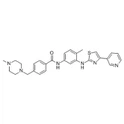
Can Pimobendan CAS 74150 - 27 - 9 be used in combination with diet therapy?
As a supplier of Pimobendan CAS 74150 - 27 - 9, I've been frequently asked whether this compound can be used in combination with diet therapy. In this blog, I'll delve into this topic, exploring the scientific basis, potential benefits, and considerations of using Pimobendan in conjunction with diet therapy.
Understanding Pimobendan
Pimobendan is a well - known veterinary medication. Its CAS number 74150 - 27 - 9 identifies it uniquely in the chemical world. It is a positive inotropic agent with vasodilatory properties. In veterinary medicine, it is commonly used for the treatment of congestive heart failure in dogs, especially those with dilated cardiomyopathy or mitral valve insufficiency.
The inotropic effect of Pimobendan works by increasing the calcium sensitivity of cardiac myofilaments, which leads to enhanced cardiac contractility. At the same time, its vasodilatory action helps to reduce the workload on the heart by decreasing the resistance in the blood vessels.
The Role of Diet Therapy in Heart Conditions
Diet therapy plays a crucial role in managing heart conditions in animals. A well - balanced diet can provide the necessary nutrients to support cardiac function. For example, a diet rich in omega - 3 fatty acids has been shown to have anti - inflammatory and cardioprotective effects. These fatty acids can help reduce the risk of arrhythmias and improve overall cardiac health.
Moreover, a diet with appropriate levels of sodium is essential. Reducing sodium intake can help manage fluid retention, which is a common problem in heart failure patients. By controlling fluid balance, the heart doesn't have to work as hard to pump blood.


Can Pimobendan and Diet Therapy Be Used Together?
The short answer is yes. In fact, combining Pimobendan with diet therapy can be a powerful approach in treating heart conditions in animals.
When Pimobendan is used in combination with a heart - healthy diet, it can potentially enhance the overall treatment effect. The inotropic and vasodilatory actions of Pimobendan work to improve the heart's pumping ability and reduce the workload on the heart. Meanwhile, a proper diet provides the necessary nutrients to support the heart's long - term health and function.
For instance, if a dog is on Pimobendan for congestive heart failure, a diet low in sodium and high in omega - 3 fatty acids can complement the drug's action. The reduced sodium helps with fluid management, and the omega - 3 fatty acids can work synergistically with Pimobendan to further improve cardiac function.
Potential Benefits of the Combination
- Improved Cardiac Function: The combination can lead to better overall cardiac performance. Pimobendan directly enhances the heart's contractility, and diet therapy provides the building blocks for a healthy heart. This can result in increased exercise tolerance, reduced clinical signs of heart failure such as coughing and difficulty breathing, and improved quality of life for the animal.
- Long - term Health Maintenance: Diet therapy can support the long - term health of the heart, while Pimobendan manages the acute symptoms of heart failure. By combining the two, we can potentially slow down the progression of heart disease and extend the life expectancy of the animal.
- Reduced Side Effects: A proper diet can sometimes help reduce the side effects associated with Pimobendan. For example, a diet rich in antioxidants can help protect the heart cells from oxidative stress, which may be exacerbated by the increased cardiac activity caused by Pimobendan.
Considerations When Combining Pimobendan and Diet Therapy
- Individual Animal Needs: Every animal is unique, and their response to Pimobendan and diet therapy may vary. Factors such as age, breed, overall health status, and the severity of the heart condition need to be taken into account. A veterinarian should closely monitor the animal and adjust the treatment plan accordingly.
- Drug - Nutrient Interactions: Although there are no well - documented major drug - nutrient interactions between Pimobendan and common dietary components, it's still important to be cautious. For example, some supplements or dietary ingredients may interact with Pimobendan and affect its efficacy or safety. Therefore, it's essential to consult a veterinarian before making any significant changes to the animal's diet while on Pimobendan.
- Compliance: Ensuring that the animal owner follows both the medication regimen and the diet plan is crucial. A lack of compliance can significantly affect the treatment outcome. Owners need to be educated about the importance of both Pimobendan and diet therapy and provided with clear instructions on how to administer the medication and feed the appropriate diet.
Other Related Veterinary Compounds
In addition to Pimobendan, there are other veterinary compounds that may be used in the treatment of various animal health conditions. For example, Pradofloxacin CAS 195532 - 12 - 8 is a fluoroquinolone antibiotic used for the treatment of bacterial infections in animals. Maropitant Citrate CAS 147116 - 67 - 4 is an anti - emetic agent commonly used to prevent vomiting in dogs and cats. And Neostigmine MethylSulfate For Animals is used to treat certain neuromuscular disorders.
Conclusion
In conclusion, Pimobendan CAS 74150 - 27 - 9 can be effectively used in combination with diet therapy for the management of heart conditions in animals. The combination offers several potential benefits, including improved cardiac function, long - term health maintenance, and reduced side effects. However, it's important to consider individual animal needs, potential drug - nutrient interactions, and ensure compliance with the treatment plan.
If you are a veterinarian or an animal owner interested in purchasing high - quality Pimobendan CAS 74150 - 27 - 9, please feel free to contact us for more information and to start a procurement discussion. We are committed to providing the best products and services to support animal health.
References
- Fox, P. R., & Sisson, D. D. (2017). Small Animal Cardiology (4th ed.). Saunders.
- Atkins, C. E., & Brown, M. B. (2011). Small Animal Internal Medicine (4th ed.). Saunders.
- Bonagura, J. D., & Twedt, D. C. (2017). Kirk's Current Veterinary Therapy XIV. Saunders.