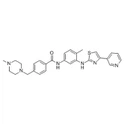
Hey there! As a supplier of Trilostane (CAS 13647 - 35 - 3), I often get asked if this compound can be used to treat adrenal gland disorders. So, I thought I'd dive into this topic and share what I know.
First off, let's understand what the adrenal glands are and what disorders can affect them. The adrenal glands are small, triangular - shaped glands located on top of each kidney. They produce a bunch of important hormones, like cortisol, aldosterone, and androgens. These hormones play crucial roles in our body, such as regulating metabolism, blood pressure, and the body's response to stress.
When the adrenal glands go haywire, they can cause all sorts of problems. For example, Cushing's syndrome is a well - known adrenal gland disorder. It happens when the body is exposed to high levels of cortisol for a long time. Symptoms can include weight gain, muscle weakness, thinning skin, and high blood pressure. Another disorder is hyperaldosteronism, where the adrenal glands produce too much aldosterone, leading to high blood pressure and low potassium levels.
So, can Trilostane come to the rescue? Well, Trilostane is a synthetic steroid that works by inhibiting the enzyme 3β - hydroxysteroid dehydrogenase (3β - HSD). This enzyme is involved in the synthesis of adrenal corticosteroids. By blocking 3β - HSD, Trilostane can reduce the production of cortisol, aldosterone, and other steroid hormones in the adrenal glands.
In veterinary medicine, Trilostane has been widely used to treat Cushing's syndrome in dogs. Dogs with Cushing's often show symptoms like increased thirst and urination, a pot - bellied appearance, and hair loss. Studies have shown that Trilostane can effectively reduce the levels of cortisol in these dogs, leading to an improvement in their symptoms. Many veterinarians consider it a first - line treatment option for canine Cushing's syndrome.
But what about in humans? The use of Trilostane in human medicine is a bit more limited. In the past, it was investigated as a treatment for Cushing's syndrome in humans. However, due to various reasons, including the availability of other treatment options and concerns about side effects, its use has not become as widespread as in veterinary medicine. Still, in some cases where other treatments are not suitable or have failed, Trilostane might be considered as an alternative.
Now, let's talk about the benefits of using Trilostane. One of the main advantages is its relatively targeted action. Since it specifically inhibits 3β - HSD, it can selectively reduce the production of steroid hormones in the adrenal glands without affecting other hormonal systems in the body too much. This means that the side effects are often more manageable compared to some other treatments that have a broader impact on the endocrine system.
Another benefit is that Trilostane can be adjusted based on the patient's needs. The dosage can be titrated to achieve the desired reduction in hormone levels while minimizing side effects. This personalized approach is important in the treatment of adrenal gland disorders, as each patient's situation can be quite different.
However, like any medication, Trilostane also has its drawbacks. One of the potential side effects is adrenal insufficiency. Since Trilostane reduces the production of adrenal hormones, there is a risk that the body may not produce enough of these hormones, especially during times of stress. This can lead to symptoms like fatigue, low blood pressure, and nausea. Patients taking Trilostane need to be closely monitored, and in some cases, they may need to take supplementary hormones to prevent adrenal insufficiency.
There can also be other side effects, such as gastrointestinal issues like vomiting and diarrhea. Some patients may experience allergic reactions or changes in liver function. It's important for doctors and veterinarians to weigh the benefits against the risks when considering using Trilostane to treat adrenal gland disorders.
If you're interested in learning more about other veterinary compounds, check out Neostigmine Methyl Sulfate Cholinesterase Inhibitor and Altrenogest Vet. And of course, if you're in the market for Trilostane, you can find more information on our Trilostane page.


In conclusion, Trilostane can be a valuable tool in the treatment of adrenal gland disorders, especially in veterinary medicine. While its use in human medicine is more restricted, it still has potential in certain cases. If you're a veterinarian looking for an effective treatment for canine Cushing's syndrome or a researcher interested in exploring its applications further, Trilostane might be worth considering.
If you're interested in purchasing Trilostane or have any questions about its use, feel free to reach out to us. We're here to provide you with high - quality Trilostane and the support you need for your treatment or research.
References:
- "Trilostane for the treatment of canine hyperadrenocorticism" - Journal of Veterinary Internal Medicine
- "The role of 3β - hydroxysteroid dehydrogenase inhibitors in the management of adrenal disorders" - Endocrine Reviews