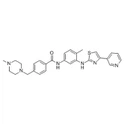
Robenacoxib, identified by the CAS number 220991 - 32 - 2, is a non - steroidal anti - inflammatory drug (NSAID) primarily used in veterinary medicine. It offers significant therapeutic benefits, such as pain relief and anti - inflammatory effects, making it a valuable option for treating various conditions in animals. In this blog, we'll explore the chiral properties of Robenacoxib, their implications, and how our company, as a Robenacoxib CAS 220991 - 32 - 2 supplier, is involved in providing high - quality products related to it.
Chiral Basics
Before delving into the chiral properties of Robenacoxib, it's essential to understand the concept of chirality. A chiral molecule is one that cannot be superimposed on its mirror image. These non - superimposable mirror images are called enantiomers. Enantiomers often have identical physical properties, such as melting point and boiling point, but can exhibit different chemical and biological activities. This is because biological systems, like enzymes and receptors, are often chiral themselves. They can interact differently with each enantiomer of a chiral drug, leading to variations in pharmacological effects, metabolism, and toxicity.
Chiral Properties of Robenacoxib
Robenacoxib is a chiral compound, and its enantiomers can have distinct biological effects. The different three - dimensional arrangements of atoms in each enantiomer result in unique interactions with the target receptors in the body.
In the case of Robenacoxib, one of the enantiomers is likely to be more pharmacologically active than the other. This active enantiomer binds more effectively to the cyclooxygenase (COX) enzymes, particularly COX - 2, which is the main target for NSAIDs. By inhibiting COX - 2, Robenacoxib reduces the production of prostaglandins, which are responsible for pain, inflammation, and fever. The other enantiomer may have weaker binding affinity to the COX enzymes or even have different off - target effects.
Implications of Chiral Properties in Drug Development and Use
The chiral nature of Robenacoxib has several important implications in drug development and clinical use.
Pharmacological Activity
As mentioned earlier, the active enantiomer of Robenacoxib provides the desired therapeutic effects. Pharmaceutical companies often aim to isolate and use only the active enantiomer in their drug formulations. This approach, known as enantiopure drug development, can lead to more potent and selective drugs. Using an enantiopure form of Robenacoxib means that a lower dose can be administered to achieve the same therapeutic effect, reducing the risk of side effects associated with the inactive enantiomer.
Toxicity
The inactive enantiomer of Robenacoxib may not contribute to the desired therapeutic effect but could potentially cause unwanted side effects. For example, it might interact with other biological targets in the body, leading to toxicity. By using an enantiopure form of the drug, the risk of these off - target effects can be minimized.
Metabolism
Enantiomers can also be metabolized differently in the body. The liver enzymes responsible for drug metabolism may have different affinities for each enantiomer of Robenacoxib. This can result in variations in the rate of metabolism and the formation of different metabolites. Understanding these metabolic differences is crucial for predicting the pharmacokinetics of the drug, such as its half - life and clearance rate.
Our Role as a Robenacoxib Supplier
As a supplier of Robenacoxib CAS 220991 - 32 - 2, we are committed to providing high - quality products. We understand the importance of the chiral properties of Robenacoxib and ensure that our products meet strict quality standards.
We work closely with pharmaceutical manufacturers to provide them with the appropriate form of Robenacoxib, whether it's the racemic mixture (a 50:50 mixture of the two enantiomers) or the enantiopure form. Our state - of - the - art manufacturing facilities are equipped with advanced chiral separation technologies, which allow us to produce and purify the desired enantiomer of Robenacoxib.
In addition to Robenacoxib, we also offer a range of other veterinary APIs. For example, we supply API Dexmedetomidine Hydrochloride CAS 145108 - 58 - 3, which is a useful sedative and analgesic in veterinary medicine. Another product is API Denaverine HCL Muscle Relaxant For The Myometrium, which helps in relaxing the uterine muscles. We also have Toceranib CAS 356068 - 94 - 5, an anti - cancer drug used in veterinary oncology.
Importance of Quality Control in Chiral Drug Supply
Quality control is of utmost importance when supplying chiral drugs like Robenacoxib. We have a comprehensive quality control system in place to ensure the purity and enantiomeric excess of our products. Enantiomeric excess (ee) is a measure of the purity of an enantiopure compound, representing the difference in the amount of one enantiomer compared to the other.
We use advanced analytical techniques, such as high - performance liquid chromatography (HPLC) with chiral stationary phases, to accurately determine the ee of our Robenacoxib products. This allows us to guarantee that our customers receive products with the desired enantiomeric composition, which is crucial for the safety and efficacy of the final veterinary drugs.


Market Demand and Future Prospects
The demand for high - quality veterinary drugs, including Robenacoxib, is on the rise. As pet owners become more aware of the health and well - being of their animals, there is a growing need for effective pain management and anti - inflammatory medications. The chiral properties of Robenacoxib make it an attractive option for drug developers, as they can optimize the drug's performance by using the active enantiomer.
In the future, we expect to see more research focused on the chiral properties of Robenacoxib and other veterinary drugs. This could lead to the development of even more potent and selective drugs, as well as a better understanding of the relationship between chirality and biological activity.
Contact Us for Procurement
If you are interested in purchasing Robenacoxib CAS 220991 - 32 - 2 or any of our other veterinary APIs, we encourage you to contact us for procurement and further discussions. We are dedicated to providing you with the best products and services, and our team of experts is ready to assist you with any questions you may have.
References
- "Principles of Medicinal Chemistry" by Foye, Lemke, and Williams.
- Research articles on the pharmacological properties of Robenacoxib in peer - reviewed veterinary journals.
- Textbooks on chiral chemistry and drug development.