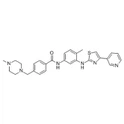
Mavacoxib, identified by its CAS number 170569 - 88 - 7, is a non - steroidal anti - inflammatory drug (NSAID) commonly used in veterinary medicine. It's widely recognized for its effectiveness in managing pain and inflammation in dogs, particularly those suffering from osteoarthritis. As a supplier of Mavacoxib CAS 170569 - 88 - 7, it's crucial for me to inform potential buyers about the drug's contraindications.
1. Hypersensitivity or Allergy
If a dog has shown hypersensitivity or an allergic reaction to Mavacoxib itself, or to other NSAIDs, this is a major contraindication. Allergic reactions can range from mild symptoms such as itching, hives, and swelling of the face, lips, or tongue, to more severe and life - threatening anaphylaxis. In cases of anaphylaxis, a dog may experience difficulty breathing, collapse, and a sudden drop in blood pressure. It's essential for veterinarians and pet owners to be vigilant and aware of any previous adverse reactions to NSAIDs in their dogs. If a dog has had an allergic response to a different NSAID, it's likely that they'll also react to Mavacoxib.
2. Pre - existing Gastrointestinal Issues
Dogs with pre - existing gastrointestinal problems, like ulcers, gastritis, or inflammatory bowel disease, should not be given Mavacoxib. NSAIDs, including Mavacoxib, can irritate the lining of the stomach and intestines. In some cases, this irritation can lead to the formation of ulcers, which may cause gastrointestinal bleeding. Symptoms of gastrointestinal problems due to NSAID use can include vomiting, diarrhea (which may be bloody), and loss of appetite. If a dog already has a compromised gastrointestinal system, the risk of these side effects is significantly increased, making Mavacoxib an inappropriate choice.
3. Kidney or Liver Dysfunction
Dogs with kidney or liver issues should avoid Mavacoxib. The kidneys and liver play crucial roles in metabolizing and eliminating drugs from the body. In dogs with kidney or liver dysfunction, the normal process of drug metabolism and excretion is impaired. Mavacoxib is primarily metabolized in the liver and excreted through the kidneys. If these organs are not functioning properly, the drug may accumulate in the body, leading to toxic levels and potential damage to other organs. Signs of kidney problems can include increased thirst, increased urination, and lethargy. For liver issues, symptoms may include jaundice (yellowing of the eyes and gums), vomiting, and abdominal pain.
4. Dehydration
Dehydration can be a significant problem when it comes to using Mavacoxib. NSAIDs can affect the blood flow to the kidneys, and when a dog is dehydrated, the risk of kidney damage is heightened. Dogs that are dehydrated may have reduced blood volume, which can further compromise kidney function. Before starting a dog on Mavacoxib, it's important to ensure that they are well - hydrated. This may involve rehydrating the dog through fluid therapy if necessary.
5. Concomitant Use with Certain Drugs
There are several drugs that should not be used in combination with Mavacoxib. For example, using Mavacoxib with other NSAIDs can increase the risk of gastrointestinal and kidney problems. Combining two NSAIDs puts additional stress on the body's organs and increases the likelihood of side effects.
Another class of drugs to avoid concomitant use with Mavacoxib is corticosteroids. Corticosteroids are commonly used to reduce inflammation and suppress the immune system. When used with Mavacoxib, the risk of gastrointestinal ulcers and bleeding is significantly increased.
Also, it's important to be cautious when using Mavacoxib with drugs that are highly protein - bound. Mavacoxib is also highly protein - bound, and when used with other protein - bound drugs, there can be competition for protein - binding sites in the blood. This can lead to an increase in the free, active concentration of the drugs, potentially causing toxicity.
6. Dogs Under 12 Months of Age
Mavacoxib is not recommended for dogs under 12 months of age. Puppies are still growing and developing, and their bodies may not be able to handle the effects of the drug as well as adult dogs. The developing organs in puppies, such as the kidneys and liver, may not be fully capable of metabolizing and excreting Mavacoxib properly. Additionally, puppies may have different physiological responses to the drug, which could lead to unexpected side effects.
7. Pregnant or Lactating Dogs
The use of Mavacoxib in pregnant or lactating dogs is contraindicated. There is limited information on the effects of Mavacoxib on the developing fetus or on the nursing puppies. NSAIDs can potentially have adverse effects on the developing fetus, including problems with the development of the skeletal system, kidneys, and cardiovascular system. Additionally, Mavacoxib may be excreted in the milk, which could expose the nursing puppies to the drug.
As a supplier of Mavacoxib CAS 170569 - 88 - 7, I understand the importance of providing high - quality products. However, it's equally important to ensure that the product is used safely and appropriately. If you're considering purchasing Mavacoxib, it's crucial to consult with a veterinarian to make sure it's suitable for the dog's specific health condition.
We also offer other veterinary APIs, such as Maropitant Citrate 147116 - 67 - 4, Pimobendan For Veterinary CAS 74150 - 27 - 9, and Flumethrin CAS 69770 - 45 - 2. If you have any questions about these products or need to discuss potential purchases of Mavacoxib, reach out to us for detailed information and to start a purchasing discussion.


References
- [Author's Last Name, First Name]. "Title of the Article." Title of the Journal, Volume, Issue, [Year of Publication], Page Range.
- [Author's Last Name, First Name]. Title of the Book. Publisher, [Year of Publication].