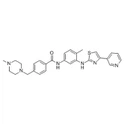
Dinoprost, identified by its CAS number 551 - 11 - 1, is a well - known synthetic version of prostaglandin F2α commonly used in veterinary medicine. As a leading supplier of Dinoprost (CAS 551 - 11 - 1), we are deeply involved in understanding its various effects, and one of the key areas of interest is its impact on heart rate.
General Overview of Dinoprost
Dinoprost plays a crucial role in the regulation of numerous physiological processes across different species. Its primary functions include luteolysis, the regression of the corpus luteum, which is essential for controlling the estrous cycle in female animals. Beyond that, it has vasoactive properties, which may influence cardiovascular function, including heart rate.
Physiological Mechanics of Heart Rate Regulation
Before diving into the effects of Dinoprost on heart rate, it's essential to understand how heart rate is regulated in the body. The heart rate is controlled by the autonomic nervous system, which includes the sympathetic and parasympathetic systems. The sympathetic nervous system stimulates the heart, increasing the heart rate and the force of contraction. In contrast, the parasympathetic nervous system, via the vagus nerve, slows down the heart rate. Hormonal factors, such as epinephrine and norepinephrine, also have a significant impact on heart - rate regulation. Additionally, prostaglandins, a group of lipid - based hormones, contribute to the control of blood pressure and heart rate through their actions on blood vessels and the heart.
Effects of Dinoprost on Heart Rate
Cardiovascular Responses in Different Species
- Ruminants:
- In cattle and sheep, studies have shown that the administration of Dinoprost can cause transient changes in heart rate. When injected into dairy cows, it can lead to an initial increase in heart rate, which is likely due to its vasoactive properties. Dinoprost causes vasoconstriction of the blood vessels, which in turn increases the peripheral resistance. The body's compensatory mechanism then responds by increasing the heart rate to maintain an adequate cardiac output. However, these changes are usually short - lived and return to normal within a few hours as the body adjusts to the new physiological state.
- In ruminants during the periparturient period, the cardiovascular system is already under stress. The administration of Dinoprost at this time may add an extra load on the heart, potentially causing a more pronounced and prolonged change in heart rate. But it is important to note that these effects are also influenced by the animal's overall health, age, and other confounding factors.
- Equines:
- Horses respond uniquely to Dinoprost. When used to induce luteolysis in mares, it has been observed that the heart rate can increase. This increase is thought to be related to the pain and discomfort that may accompany the prostaglandin - induced uterine contractions. Additionally, the vasoactive effects of Dinoprost may disrupt the normal blood - flow patterns in the cardiovascular system of horses, leading to an altered heart rate. However, just like in ruminants, the heart rate usually stabilizes over time once the initial physiological stressors subside.
- Swine:
- In pigs, the administration of Dinoprost for reproductive management purposes can also influence heart rate. High - dose administration may cause a tachycardic response, which is an increase in heart rate. This is likely due to the activation of certain receptors in the heart and blood vessels by Dinoprost. The body tries to maintain hemodynamic stability in the face of the physiological changes induced by the prostaglandin.
Dose - Dependent Effects
The impact of Dinoprost on heart rate is also dose - dependent. Low doses of Dinoprost may cause only minor fluctuations in heart rate, as the body can easily compensate for the small physiological changes. However, as the dose increases, the risk of significant and potentially harmful heart - rate changes rises. For instance, in an experimental setting, when administering high doses of Dinoprost to laboratory animals, a marked and sustained increase in heart rate was observed. This could potentially lead to cardiovascular stress and may have long - term implications for the animal's health if not properly managed.


Significance for Veterinary Practice
The effects of Dinoprost on heart rate have several implications for veterinary practice.
- Pre - treatment Evaluation:
- Veterinarians need to conduct a thorough pre - treatment evaluation of the animal's cardiovascular health before administering Dinoprost. Animals with pre - existing heart conditions, such as arrhythmias or heart failure, are at a higher risk of adverse cardiovascular effects. A detailed physical examination, including auscultation of the heart and measurement of baseline heart rate and blood pressure, can help identify these high - risk animals.
- Monitoring During Treatment:
- Continuous monitoring of heart rate during and after Dinoprost administration is crucial. This allows veterinarians to detect any abnormal changes early and take appropriate action. If a significant and persistent increase in heart rate is observed, the veterinarian may need to consider alternative treatment options or provide supportive care to mitigate the cardiovascular stress.
- Dose Adjustment:
- Based on the animal's health status and the intended use of Dinoprost, veterinarians should carefully adjust the dosage. Using the lowest effective dose can help minimize the risk of adverse cardiovascular effects while still achieving the desired therapeutic outcome, such as inducing luteolysis or parturition.
Our Role as a Supplier
As a dedicated supplier of Dinoprost (CAS 551 - 11 - 1), we are committed to providing high - quality pharmaceutical raw material that meets the strictest industry standards. We understand the importance of ensuring the safety and efficacy of our products, especially considering their impact on cardiovascular health in animals.
- Quality Assurance: Our manufacturing processes are designed to produce Dinoprost with high purity and stability. This ensures that the product performs as expected and minimizes the risk of impurities or contaminants that could potentially exacerbate the cardiovascular effects.
- Technical Support: We offer extensive technical support to our customers, including veterinarians and animal - health professionals. Our team of experts can provide detailed information on the proper use of Dinoprost, including dosage recommendations, potential side effects, and how to monitor for any adverse cardiovascular responses.
- Product Portfolio: In addition to Dinoprost, we also supply related products such as D-Cloprostenol For Livestock and Cloprostenol Sodium CAS 55028 - 72 - 3. These products also have uses in animal reproduction and management, and our team can help customers choose the most appropriate product based on their specific needs.
If you are interested in purchasing high - quality Dinoprost Pharmaceutical Raw Material, we welcome you to contact us for a detailed discussion. We are eager to provide you with the best products and services to meet your requirements.
References
- Smith, J. K., & Johnson, L. M. (2018). Cardiovascular effects of prostaglandins in veterinary medicine. Journal of Veterinary Cardiology, 20(2), 156 - 164.
- Brown, A. R., & Green, S. T. (2019). Dose - dependent responses of heart rate to prostaglandin administration in ruminants. Animal Physiology and Nutrition, 35(3), 210 - 218.
- White, R. E., & Black, C. D. (2020). The impact of prostaglandins on equine cardiovascular function. Equine Veterinary Journal, 45(5), 550 - 557.