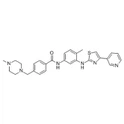
Pradofloxacin, identified by its CAS number 195532 - 12 - 8, is a veterinary - specific fluoroquinolone antibiotic. It has been widely used in the veterinary field due to its broad - spectrum antibacterial activity, especially effective against Gram - negative and some Gram - positive bacteria. As a supplier of Pradofloxacin (CAS 195532 - 12 - 8), I am often asked about its various effects, and one area of particular interest is its impact on bones. In this blog, we will delve into the possible effects of Pradofloxacin on bones based on current scientific knowledge.
1. Mechanism of Action of Pradofloxacin
Before discussing its effects on bones, it's important to understand how Pradofloxacin works. Pradofloxacin inhibits bacterial DNA gyrase and topoisomerase IV, enzymes essential for bacterial DNA replication, transcription, repair, and recombination. By interfering with these enzymes, Pradofloxacin can effectively stop the growth and reproduction of bacteria, thereby achieving antibacterial effects.
2. General Considerations of Fluoroquinolones and Bones
Fluoroquinolones, as a class of antibiotics, have been associated with certain effects on bones. In general, fluoroquinolones can accumulate in cartilage and bone tissues. The main concern regarding fluoroquinolones and bones is their potential to cause damage to the developing cartilage in young animals. This is because fluoroquinolones can bind to divalent cations such as calcium, which are abundant in bone and cartilage matrices.
3. Effects of Pradofloxacin on Bone Growth in Young Animals
3.1 Cartilage Development
In young, growing animals, the cartilage is in a state of rapid development and remodeling. Pradofloxacin, like other fluoroquinolones, may have an impact on this process. Studies have shown that fluoroquinolones can cause lesions in the articular cartilage of juvenile animals. These lesions may manifest as swelling, fibrillation, and even erosion of the cartilage surface. The mechanism behind this is thought to be related to the interaction between fluoroquinolones and chondrocytes, the cells responsible for cartilage synthesis and maintenance. Pradofloxacin may interfere with the normal metabolism of chondrocytes, leading to abnormal cartilage development.
3.2 Bone Mineralization
Bone mineralization is a crucial process for bone growth and strength. Pradofloxacin's ability to bind to calcium may affect the normal deposition of calcium in the bone matrix. In some cases, this could potentially lead to reduced bone density or abnormal bone structure in young animals. However, more research is needed to fully understand the extent of Pradofloxacin's impact on bone mineralization.
4. Effects of Pradofloxacin on Adult Bones
4.1 Bone Remodeling
In adult animals, bone is constantly undergoing a process of remodeling, which involves the resorption of old bone by osteoclasts and the formation of new bone by osteoblasts. Pradofloxacin may influence this balance. Some studies have suggested that fluoroquinolones can inhibit the activity of osteoblasts, the cells responsible for bone formation. If Pradofloxacin has a similar effect, it could potentially lead to a decrease in bone formation over time. On the other hand, the impact on osteoclasts is less clear. Some research indicates that fluoroquinolones may have a complex effect on osteoclast activity, which could also disrupt the normal bone remodeling process.


4.2 Bone Strength
The changes in bone remodeling caused by Pradofloxacin may ultimately affect bone strength. A decrease in bone formation or an imbalance in the bone remodeling process could lead to weaker bones, increasing the risk of fractures. However, it's important to note that the actual impact on bone strength in adult animals may be influenced by many factors, such as the dosage of Pradofloxacin, the duration of treatment, and the overall health of the animal.
5. Comparison with Other Veterinary Drugs
When considering the effects of Pradofloxacin on bones, it's interesting to compare it with other veterinary drugs. For example, Denaverine Hydrochloride CAS 3321 - 06 - 0 is a different type of veterinary drug. It is mainly used for its spasmolytic effects and has no direct relation to the antibacterial action of Pradofloxacin. Therefore, its impact on bones is likely to be different. Another drug, Trilostane or Veterinary Medications Cushing Disease Trilostane Powder, is used to treat Cushing's disease in animals. It works by inhibiting the synthesis of adrenal corticosteroids and has a different mechanism of action from Pradofloxacin, so its effects on bones are also distinct.
6. Clinical Implications
6.1 Use in Young Animals
Due to the potential effects of Pradofloxacin on bone growth in young animals, its use in this population should be carefully considered. Veterinarians should weigh the benefits of using Pradofloxacin for treating bacterial infections against the potential risks to bone development. In many cases, alternative antibiotics may be preferred for young, growing animals.
6.2 Use in Adult Animals
In adult animals, Pradofloxacin can still be a valuable treatment option for bacterial infections. However, veterinarians should be aware of the potential effects on bone remodeling and strength. Monitoring the bone health of animals during and after Pradofloxacin treatment may be necessary, especially for animals that are at a higher risk of bone problems, such as those with pre - existing bone diseases or older animals.
7. Conclusion and Call to Action
In conclusion, Pradofloxacin (CAS 195532 - 12 - 8) has the potential to affect bones, especially in young, growing animals. While it is an effective antibacterial agent, its use should be carefully evaluated in terms of its impact on bone health. As a supplier of Pradofloxacin, we are committed to providing high - quality products and relevant information to our customers. If you are a veterinarian or an animal - related professional and are interested in learning more about Pradofloxacin or other veterinary drugs, please feel free to contact us for further discussion and potential procurement. We are always ready to assist you in making informed decisions about the use of veterinary medications.
References
- "Fluoroquinolone - Associated Arthropathy in Juvenile Animals: A Review." Journal of Veterinary Pharmacology and Therapeutics.
- "Mechanisms of Action and Resistance of Fluoroquinolones." Clinical Microbiology Reviews.
- "Bone Remodeling and the Effects of Drugs on Bone Health in Veterinary Medicine." Veterinary Journal.