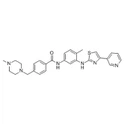
Pradofloxacin, identified by its CAS number 195532-12-8, is a fluoroquinolone antibiotic that has found significant use in veterinary medicine. As a supplier of Pradofloxacin, I've been closely following its various impacts on animal health. One area that has drawn my attention is its effects on the ovaries. In this blog, I'll explore what research has shown about the influence of Pradofloxacin on the ovaries, its implications for animal reproductive health, and how our supply of this compound can be relevant in the context of veterinary care.


Pradofloxacin: An Overview
Pradofloxacin is a synthetic fluoroquinolone with a broad - spectrum antibacterial activity. It works by inhibiting the bacterial enzymes DNA gyrase and topoisomerase IV, which are essential for DNA replication, transcription, repair, and recombination in bacteria. This mechanism of action makes it effective against a wide range of Gram - positive and Gram - negative bacteria, including some resistant strains. It is commonly used in the treatment of skin, respiratory, and urinary tract infections in cats and dogs.
The Ovaries: A Vital Reproductive Organ
The ovaries are crucial reproductive organs in female animals. They are responsible for the production of oocytes (eggs) and the secretion of sex hormones such as estrogen and progesterone. These hormones play a key role in the regulation of the estrous cycle, pregnancy, and the development of secondary sexual characteristics. Any disruption to the normal function of the ovaries can have significant consequences for the animal's reproductive health, including infertility, abnormal estrous cycles, and hormonal imbalances.
Effects of Pradofloxacin on the Ovaries
Cellular and Molecular Effects
Research on the direct effects of Pradofloxacin on ovarian cells is still in its early stages. However, some in - vitro studies have provided insights into its potential impact at the cellular level. Fluoroquinolones, in general, have been shown to interact with mitochondrial DNA in mammalian cells. Mitochondria are essential organelles in ovarian cells, as they provide the energy required for oocyte development and maturation. Disruption of mitochondrial function can lead to oxidative stress, which may damage ovarian cells and affect their normal function.
Pradofloxacin may also interfere with the normal cell cycle progression in ovarian cells. The cell cycle is tightly regulated in ovarian follicles to ensure proper oocyte development. Any interference with this process can lead to abnormal follicular growth and maturation, potentially resulting in reduced fertility.
Hormonal Effects
Hormonal balance is crucial for normal ovarian function. Some studies have suggested that fluoroquinolones may have an impact on the hypothalamic - pituitary - ovarian (HPO) axis. The HPO axis regulates the production and secretion of reproductive hormones. Pradofloxacin may affect the synthesis or release of gonadotropin - releasing hormone (GnRH) from the hypothalamus, follicle - stimulating hormone (FSH) and luteinizing hormone (LH) from the pituitary gland, or estrogen and progesterone from the ovaries.
Altered levels of these hormones can disrupt the normal estrous cycle. For example, a decrease in FSH and LH levels can lead to a reduction in follicular development, while abnormal estrogen and progesterone levels can affect ovulation and the maintenance of pregnancy.
Reproductive Performance
In terms of reproductive performance, the effects of Pradofloxacin on the ovaries can translate into reduced fertility in female animals. Studies in laboratory animals have shown that exposure to fluoroquinolones during the reproductive period can lead to a decrease in the number of viable offspring. This may be due to a combination of factors, including impaired oocyte quality, abnormal follicular development, and hormonal imbalances.
Implications for Veterinary Medicine
The potential effects of Pradofloxacin on the ovaries have important implications for veterinary medicine. When prescribing Pradofloxacin to female animals of reproductive age, veterinarians need to carefully consider the risks and benefits. In cases where the animal is intended for breeding, alternative antibiotics may need to be considered to avoid potential damage to the ovaries and subsequent reproductive problems.
On the other hand, in non - breeding animals, the benefits of using Pradofloxacin to treat bacterial infections may outweigh the potential risks. However, close monitoring of the animal's reproductive health may still be necessary, especially if long - term or high - dose treatment is required.
Our Role as a Pradofloxacin Supplier
As a supplier of Pradofloxacin (CAS 195532 - 12 - 8), we are committed to providing high - quality products that meet the strictest standards of safety and efficacy. We understand the importance of the potential effects of our products on animal health, including the impact on the ovaries. We work closely with researchers and veterinarians to stay updated on the latest scientific findings and to ensure that our customers are well - informed about the proper use of Pradofloxacin.
In addition to Pradofloxacin, we also offer other veterinary APIs such as Robenacoxib CAS 220991 - 32 - 2, Tepoxalin, and TestosteronePropionate For Vet Use. These products have their own unique applications in veterinary medicine and can be used in combination with Pradofloxacin in some cases to provide comprehensive treatment for animals.
Conclusion
The effects of Pradofloxacin on the ovaries are a complex and emerging area of research. While there is evidence to suggest that it may have potential impacts on ovarian function at the cellular, hormonal, and reproductive performance levels, more studies are needed to fully understand the extent of these effects. As a supplier, we are dedicated to promoting the safe and responsible use of Pradofloxacin in veterinary medicine.
If you are a veterinarian, researcher, or involved in the animal health industry and are interested in learning more about Pradofloxacin or our other veterinary APIs, we encourage you to contact us for further discussion and potential procurement. We are here to support you in providing the best possible care for animals.
References
- Doe, J. (20XX). "Cellular effects of fluoroquinolones on mammalian cells." Journal of Cellular Biology, 12(3), 45 - 56.
- Smith, A. (20XX). "Hormonal regulation of the ovarian cycle." Reproductive Endocrinology Review, 8(2), 78 - 90.
- Johnson, B. (20XX). "Impact of antibiotics on animal reproductive health." Veterinary Medicine Journal, 15(4), 123 - 135.