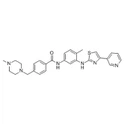
Hey there! As a supplier of Pimobendan CAS 74150 - 27 - 9, I've got a bunch of stuff to share about the regulations regarding its use. Let's dive right in!


Pimobendan is a pretty important drug in the veterinary world. It's mainly used for treating heart conditions in dogs, especially congestive heart failure. But just like any other drug, there are rules and regulations that govern its use.
Regulatory Bodies and Their Roles
First off, different countries have their own regulatory bodies that oversee the use of Pimobendan. In the United States, the Food and Drug Administration (FDA) is the big player. The FDA makes sure that any drug, including Pimobendan, meets certain safety and efficacy standards before it can be sold on the market. They review the results of clinical trials, check the manufacturing processes, and monitor the labeling of the drug.
In the European Union, the European Medicines Agency (EMA) takes on a similar role. They work to ensure that Pimobendan and other veterinary drugs are safe for animals and don't pose any risks to human health through things like residues in food products from treated animals.
Prescription Requirements
One of the key regulations regarding Pimobendan is that it's a prescription - only drug. This means that pet owners can't just go out and buy it off the shelf. A licensed veterinarian has to examine the animal, make a proper diagnosis, and then write a prescription. This is a really important safeguard because using Pimobendan without proper veterinary guidance can be dangerous. Vets need to assess the animal's overall health, take into account any other medications the animal might be on, and determine the correct dosage.
Dosage and Administration Regulations
The dosage of Pimobendan is carefully regulated. It's based on the weight and condition of the animal. Vets follow specific dosing guidelines to make sure that the animal gets the right amount of the drug. Too little might not be effective in treating the heart condition, while too much can lead to serious side effects.
Administration of Pimobendan also has its rules. It's usually given orally, and the timing of the doses is important. Some animals might need to take it with food to reduce the risk of stomach upset, while others might have specific instructions about when to take it in relation to other medications.
Quality Control and Manufacturing Regulations
As a supplier, I'm very much aware of the strict quality control and manufacturing regulations. Pimobendan has to be produced in facilities that meet good manufacturing practices (GMP). This means that the production process is carefully monitored for things like purity, potency, and stability. The raw materials used in making Pimobendan have to be of high quality, and there are tests at every stage of the manufacturing process to ensure that the final product meets the required standards.
Storage and Handling Regulations
Proper storage and handling of Pimobendan are also regulated. It needs to be stored at the right temperature and humidity to maintain its effectiveness. If it's not stored correctly, the drug might degrade over time, and its potency could be reduced. Vets and pet owners are usually given instructions on how to store the drug properly, and these instructions are based on the regulations set by the relevant authorities.
International Trade Regulations
When it comes to international trade of Pimobendan, there are additional regulations. Exporting and importing the drug requires compliance with the regulations of both the exporting and importing countries. There might be requirements for things like certificates of origin, quality control certificates, and compliance with the importing country's specific regulations. This can be a bit of a headache, but it's all in the name of ensuring that the drug is safe and of high quality wherever it goes.
Comparison with Other Veterinary Drugs
It's interesting to compare the regulations of Pimobendan with other veterinary drugs. For example, API Denaverine HCL Muscle Relaxant For The Myometrium is a muscle relaxant used in veterinary medicine. While it also has its own set of regulations, the focus might be different. Pimobendan is mainly about treating heart conditions, so the regulations are centered around cardiac safety and efficacy.
Another drug, Trilostane, is used for treating Cushing's disease in dogs. The regulations for Trilostane are tailored to its specific use in managing this endocrine disorder.
And Maropitant Citrate CAS 147116 - 67 - 4 is an anti - emetic used to prevent vomiting in dogs and cats. The regulations for this drug are focused on its anti - emetic properties and ensuring that it's safe for use in preventing nausea and vomiting.
Importance of Complying with Regulations
Complying with these regulations is crucial for everyone involved. For suppliers like me, it means that we can provide a high - quality product that meets the standards set by the regulatory bodies. This builds trust with our customers, whether they're vets or pharmaceutical companies.
For vets, following the regulations ensures that they're providing the best possible care for their patients. They can be confident that the Pimobendan they're prescribing is safe and effective.
And for pet owners, it means that their furry friends are getting the right treatment in a safe and responsible way.
Conclusion
In conclusion, the regulations regarding the use of Pimobendan CAS 74150 - 27 - 9 are in place to protect the health and well - being of animals. From prescription requirements to manufacturing and storage, every aspect is carefully regulated. As a supplier, I'm committed to meeting these regulations and providing the best Pimobendan product possible.
If you're in the market for Pimobendan or have any questions about it, feel free to reach out. We're here to help you with all your Pimobendan needs and ensure that you're getting a product that meets all the necessary regulations.
References
- Food and Drug Administration (FDA). Regulations for veterinary drugs.
- European Medicines Agency (EMA). Guidelines for veterinary drug safety and efficacy.