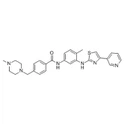
Trilostane, with the CAS number 13647-35-3, is a synthetic steroid that inhibits the enzyme 3β-hydroxysteroid dehydrogenase. This enzyme is crucial in the synthesis of various hormones, including cortisol, aldosterone, and androgens. Clinically, Trilostane is primarily used in the management of Cushing's syndrome in both humans and animals. While its use in adult patients has been well-studied, determining the appropriate dosage for children is a complex and delicate matter.
Understanding Cushing's Syndrome in Children
Cushing's syndrome in children is a rare endocrine disorder characterized by excessive cortisol production. This overproduction can lead to a variety of symptoms, including rapid weight gain, growth retardation, high blood pressure, and mood changes. The most common cause in children is the use of exogenous corticosteroids, but in some cases, it can be due to an endogenous overproduction, such as from a pituitary or adrenal tumor.
The Role of Trilostane in Treating Pediatric Cushing's Syndrome
Trilostane works by blocking the conversion of pregnenolone and 17-hydroxypregnenolone to progesterone and 17-hydroxyprogesterone, respectively. This, in turn, reduces the production of cortisol and other corticosteroids. In pediatric patients with Cushing's syndrome, Trilostane can help normalize cortisol levels, alleviate symptoms, and improve overall quality of life.
Determining the Appropriate Dosage
Determining the appropriate dosage of Trilostane for children is not a one - size - fits - all approach. Several factors need to be considered:
1. Age and Weight
Age and weight are fundamental factors in dosage calculation. Younger children generally require lower doses compared to older children. Dosages are often calculated on a milligram - per - kilogram basis. For example, in initial studies, starting doses have ranged from 1 - 5 mg/kg of body weight per day, divided into two or more doses.
2. Severity of the Condition
The severity of Cushing's syndrome also plays a crucial role. Children with more severe symptoms and higher cortisol levels may require higher initial doses. However, starting with a lower dose and gradually titrating upwards is often recommended to minimize the risk of side effects.
3. Individual Response
Each child may respond differently to Trilostane. Regular monitoring of cortisol levels, clinical symptoms, and growth parameters is essential. If a child does not show a significant improvement in cortisol levels or symptoms after an appropriate period, the dosage may need to be adjusted.
4. Other Medications
Children may be taking other medications that can interact with Trilostane. For example, drugs that induce or inhibit cytochrome P450 enzymes can affect the metabolism of Trilostane. It is important to consider these potential interactions when determining the dosage.
Monitoring and Adjusting the Dosage
Once treatment with Trilostane is initiated, close monitoring is required. Cortisol levels should be measured regularly, typically every 1 - 3 months initially. Clinical symptoms, such as weight gain, blood pressure, and growth, should also be monitored.
If cortisol levels remain elevated and symptoms persist, the dosage of Trilostane may need to be increased. Conversely, if cortisol levels become too low or if the child experiences side effects such as lethargy, nausea, or low blood pressure, the dosage may need to be decreased.
Side Effects and Their Management
Like any medication, Trilostane can cause side effects. Common side effects in children may include gastrointestinal symptoms such as nausea, vomiting, and diarrhea. In some cases, it can also lead to adrenal insufficiency, which is characterized by low cortisol levels and symptoms such as fatigue, weakness, and low blood pressure.
If side effects occur, the dosage may need to be adjusted or supportive treatment may be required. For example, if a child experiences mild gastrointestinal symptoms, anti - nausea medications may be prescribed. In cases of adrenal insufficiency, corticosteroid replacement therapy may be necessary.
Our Offer as a Trilostane Supplier
As a reliable supplier of Trilostane (CAS 13647 - 35 - 3), we are committed to providing high - quality products. Our Trilostane is manufactured under strict quality control standards to ensure its purity and efficacy. We understand the importance of this medication in treating pediatric Cushing's syndrome and are dedicated to meeting the needs of the medical community.
In addition to Trilostane, we also offer other veterinary APIs such as Pimobendan API 74150 - 27 - 9, Mavacoxib CAS 170569 - 88 - 7, and API Imidacloprid. These products are also of the highest quality and are widely used in the veterinary field.
If you are interested in purchasing Trilostane or any of our other products, we encourage you to contact us for further discussion. We are ready to provide you with detailed product information and support your procurement needs.
Conclusion
Determining the appropriate dosage of Trilostane for children is a complex process that requires careful consideration of multiple factors. Close monitoring and individualized treatment are essential to ensure the safety and efficacy of the medication. As a supplier of Trilostane, we are here to support the medical community in providing the best possible treatment for children with Cushing's syndrome. If you have any questions or are interested in purchasing our products, please feel free to reach out to us for procurement discussions.


References
- Nieman, L. K., Biller, B. M., Findling, J. W., Newell - Price, J., Savage, M. O., Stewart, P. M., & Stratakis, C. A. (2008). Treatment of Cushing's syndrome: a consensus statement. The Journal of Clinical Endocrinology & Metabolism, 93(5), 1526 - 1540.
- Bornstein, S. R., Allolio, B., Arlt, W., Barthel, A., Beuschlein, F., Binkert, C.,... & Weickert, M. O. (2016). Diagnosis and treatment of Cushing's syndrome: a consensus statement of the European Society of Endocrinology. European Journal of Endocrinology, 175(2), G1 - G46.
- Kearney, M. T., & Neely, E. K. (2019). Cushing's syndrome in children and adolescents. Pediatric Clinics, 66(1), 111 - 124.