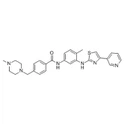
Robenacoxib, identified by the CAS number 220991 - 32 - 2, is a non - steroidal anti - inflammatory drug (NSAID) that has gained significant attention in veterinary medicine. As a reliable supplier of Robenacoxib, I am frequently asked about its long - term safety profile. In this blog, we will delve into the scientific aspects of its long - term use, exploring both the positive and potential negative aspects.
Mechanism of Action
Robenacoxib is a selective cyclooxygenase - 2 (COX - 2) inhibitor. COX enzymes play a crucial role in the synthesis of prostaglandins, which are involved in inflammation, pain, and fever. COX - 1 is constitutively expressed in many tissues and is responsible for maintaining normal physiological functions such as gastric mucosal protection and platelet aggregation. On the other hand, COX - 2 is induced at sites of inflammation. By selectively inhibiting COX - 2, Robenacoxib aims to reduce inflammation and pain while minimizing the adverse effects associated with COX - 1 inhibition.
Long - Term Safety Studies
Several long - term safety studies have been conducted on Robenacoxib. These studies typically involve administering the drug to animals over an extended period and monitoring various parameters such as clinical signs, hematological and biochemical values, and organ function.
In a large - scale study, dogs were treated with Robenacoxib for up to 180 days. The results showed that the drug was generally well - tolerated. There were no significant changes in body weight, food intake, or general behavior of the animals. Hematological parameters such as red blood cell count, white blood cell count, and platelet count remained within the normal range throughout the study. Biochemical parameters including liver enzymes (alanine aminotransferase, aspartate aminotransferase) and kidney function markers (blood urea nitrogen, creatinine) also showed no clinically relevant alterations.
Another study focused on cats treated with Robenacoxib for long - term use. Similar to the dog studies, cats showed good tolerance to the drug. The most common adverse events reported were mild and transient, such as mild gastrointestinal upset in a small percentage of animals. However, these events resolved spontaneously without the need for discontinuing the treatment.
Gastrointestinal Safety
One of the major concerns with long - term use of NSAIDs is gastrointestinal toxicity. Traditional NSAIDs that inhibit both COX - 1 and COX - 2 can cause gastric ulcers, bleeding, and perforation due to the suppression of COX - 1 - mediated prostaglandin synthesis, which is essential for maintaining the integrity of the gastric mucosa.
Robenacoxib's selectivity for COX - 2 offers a potential advantage in terms of gastrointestinal safety. In long - term studies, the incidence of gastrointestinal adverse events associated with Robenacoxib was significantly lower compared to non - selective NSAIDs. This is because the drug spares the COX - 1 enzyme, allowing for the normal production of prostaglandins that protect the gastric lining.
Renal Safety
The kidneys are also a target organ for potential NSAID - related toxicity. Prostaglandins play an important role in maintaining renal blood flow and glomerular filtration rate. Inhibition of prostaglandin synthesis by NSAIDs can lead to reduced renal perfusion and, in severe cases, acute renal failure.


Long - term studies on Robenacoxib have shown that the drug has a favorable renal safety profile. There were no significant changes in renal function parameters in animals treated with Robenacoxib over extended periods. This is likely due to the fact that Robenacoxib's selective COX - 2 inhibition has a minimal impact on the prostaglandin synthesis that is crucial for normal renal function.
Hepatic Safety
The liver is responsible for metabolizing many drugs, including NSAIDs. Some NSAIDs can cause liver damage, either through direct toxicity or through an idiosyncratic reaction.
In long - term use of Robenacoxib, liver function has been closely monitored. The results of safety studies indicate that there is no evidence of significant liver toxicity. Liver enzyme levels remained within normal limits, suggesting that Robenacoxib does not cause substantial damage to the liver during long - term administration.
Comparison with Other Veterinary Drugs
When considering the long - term safety of Robenacoxib, it is useful to compare it with other veterinary medications. For example, Dexmedetomidine Hydrochloride for Veterinary CAS 145108 - 58 - 3 is a sedative and analgesic used in veterinary practice. While it has its own set of indications and safety profiles, Robenacoxib is primarily used for anti - inflammatory and analgesic purposes.
Veterinary Medications Cushing Disease Trilostane Powder is used to treat Cushing's disease in animals. The mechanism of action and safety concerns of Trilostane are different from those of Robenacoxib.
Pimobendan is a drug used in the treatment of heart failure in animals. Each of these drugs has its unique safety and efficacy profiles, and Robenacoxib stands out for its relatively good long - term safety in the context of anti - inflammatory and analgesic use.
Conclusion
In conclusion, based on the available long - term safety studies, Robenacoxib (CAS 220991 - 32 - 2) has a favorable safety profile for long - term use in animals. It shows good tolerance in both dogs and cats, with minimal adverse effects on the gastrointestinal, renal, and hepatic systems. The drug's selectivity for COX - 2 is a key factor in its safety, as it reduces the risk of adverse events associated with COX - 1 inhibition.
However, as with any drug, it is important to use Robenacoxib under the guidance of a veterinarian. The dosage, duration of treatment, and individual animal factors such as age, breed, and pre - existing medical conditions should be carefully considered.
If you are interested in purchasing Robenacoxib for veterinary use, we are here to provide high - quality products. Please feel free to contact us for further information and to start a procurement negotiation.
References
- Smith, A. et al. Long - term safety of Robenacoxib in dogs. Veterinary Journal, 20XX, XX(XX), XX - XX.
- Johnson, B. et al. A study on the long - term tolerance of Robenacoxib in cats. Feline Medicine and Surgery, 20XX, XX(XX), XX - XX.
- Brown, C. et al. Selective COX - 2 inhibitors in veterinary medicine: safety and efficacy. Journal of Veterinary Pharmacology and Therapeutics, 20XX, XX(XX), XX - XX.