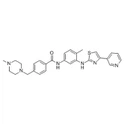
Pimobendan, identified by the CAS number 74150 - 27 - 9, is a vital medication in the field of veterinary medicine, particularly for treating heart conditions in animals, especially dogs. As a supplier of Pimobendan CAS 74150 - 27 - 9, I am well - versed in its properties, uses, and most importantly, the proper way of oral administration.
Understanding Pimobendan
Pimobendan is a unique drug that combines inotropic and vasodilatory effects. It works by increasing the sensitivity of cardiac myofilaments to calcium, which enhances the contractility of the heart muscle. At the same time, it causes vasodilation, reducing the workload on the heart. This dual action makes it an effective treatment for congestive heart failure (CHF) in dogs, especially those with dilated cardiomyopathy or mitral valve insufficiency.
Oral Administration Basics
Oral administration is the most common and convenient way to deliver Pimobendan to animals. The drug is usually available in tablet form, which simplifies the process for pet owners. However, there are several important factors to consider when administering Pimobendan orally.
Dosage
The dosage of Pimobendan is determined based on the animal's weight. Veterinarians typically prescribe a dosage of 0.25 - 0.5 mg per kilogram of body weight, divided into two doses per day. For example, if a dog weighs 10 kg, the daily dosage would range from 2.5 mg to 5 mg, which is usually split into two administrations, morning and evening. It is crucial to follow the veterinarian's prescription precisely, as incorrect dosages can lead to ineffective treatment or potential side effects.
Timing
Pimobendan should be administered on an empty stomach, at least one hour before or two hours after a meal. Food can affect the absorption of the drug, reducing its bioavailability. When given on an empty stomach, the drug is absorbed more efficiently, ensuring that the animal receives the full therapeutic benefit.
Preparation
Before administering the tablet, make sure your hands are clean. You can gently hold the animal's head, tilt it slightly upwards, and open its mouth. Place the tablet as far back on the tongue as possible, then close the animal's mouth and hold it shut for a few seconds. This encourages the animal to swallow the tablet. If the animal is reluctant to swallow, you can offer a small amount of water.
Special Considerations
Animals with Difficulty Swallowing
Some animals may have difficulty swallowing tablets. In such cases, you can crush the tablet and mix it with a small amount of palatable food or treat. However, it is important to ensure that the entire dose is consumed. Avoid using large amounts of food, as this may still interfere with the drug's absorption.
Multiple Medications
If the animal is taking other medications, it is essential to consult with the veterinarian. Some drugs may interact with Pimobendan, altering its effectiveness or increasing the risk of side effects. For example, drugs that affect the heart rate or blood pressure may have additive or synergistic effects when combined with Pimobendan.
Monitoring
Regular monitoring is necessary during the course of Pimobendan treatment. This includes periodic check - ups with the veterinarian, which may involve physical examinations, blood tests, and echocardiograms. Monitoring helps to assess the animal's response to the treatment, adjust the dosage if necessary, and detect any potential side effects early.


Comparing with Other Veterinary APIs
In the realm of veterinary medicine, there are several other APIs that are used for different purposes. For instance, 3β - hydroxysteroid Dehydrogenase Veterinary API Trilostane CAS 13647 - 35 - 3 is used to treat Cushing's syndrome in dogs. It works by inhibiting the production of cortisol, a hormone that is overproduced in animals with this condition.
Maropitant Citrate 147116 - 67 - 4 is an anti - emetic drug used to prevent and treat vomiting in dogs and cats. It blocks the action of substance P in the brain, which is involved in the vomiting reflex.
Flumethrin CAS 69770 - 45 - 2 is an insecticide and acaricide used to control fleas and ticks on animals. It works by disrupting the nervous system of these parasites, leading to their paralysis and death.
Side Effects and Precautions
Although Pimobendan is generally well - tolerated, there are some potential side effects. These may include loss of appetite, vomiting, diarrhea, and lethargy. In rare cases, more serious side effects such as arrhythmias or liver dysfunction may occur. If you notice any unusual symptoms in your animal during treatment, contact your veterinarian immediately.
It is also important to store Pimobendan properly. Keep the tablets in a cool, dry place, away from direct sunlight and moisture. Do not use expired medication, as its effectiveness may be compromised.
Conclusion
Oral administration of Pimobendan CAS 74150 - 27 - 9 is a straightforward process when the proper guidelines are followed. By ensuring the correct dosage, timing, and preparation, pet owners can effectively administer this important medication to their animals. As a supplier of Pimobendan, I am committed to providing high - quality products and supporting veterinarians and pet owners in the proper use of this drug.
If you are a veterinarian or a pet owner in need of Pimobendan, we invite you to contact us for procurement and further discussion. Our team of experts is ready to assist you with any questions or concerns you may have regarding the product.
References
- Kittleson MD, Kienle RD. Small Animal Cardiovascular Medicine. Elsevier Saunders, 2011.
- Ettinger SJ, Feldman EC. Textbook of Veterinary Internal Medicine: Diseases of the Dog and Cat. Elsevier Health Sciences, 2017.
- Plumb DC. Plumb's Veterinary Drug Handbook. Wiley - Blackwell, 2019.