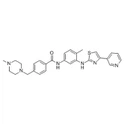
Toceranib, identified by the CAS number 356068 - 94 - 5, is a small - molecule tyrosine kinase inhibitor that has been a significant player in veterinary oncology. As a reliable supplier of Toceranib CAS 356068 - 94 - 5, I am well - versed in its properties and applications. In this blog, we will delve into the effects of Toceranib on the cardiovascular system.
Mechanism of Action of Toceranib
Toceranib exerts its anti - tumor effects by inhibiting multiple receptor tyrosine kinases (RTKs), including vascular endothelial growth factor receptors (VEGFRs), platelet - derived growth factor receptors (PDGFRs), and stem cell factor receptor (KIT). By blocking these RTKs, Toceranib can disrupt angiogenesis, tumor cell proliferation, and survival. Angiogenesis, the formation of new blood vessels, is crucial for tumor growth and metastasis. By inhibiting VEGFRs, Toceranib can prevent the growth of new blood vessels that supply nutrients and oxygen to the tumor cells.
Potential Cardiovascular Effects of Toceranib
Hypertension
One of the most commonly reported cardiovascular effects of Toceranib is hypertension. The inhibition of VEGFRs by Toceranib can lead to endothelial dysfunction. Endothelial cells play a vital role in maintaining vascular tone by producing vasodilators such as nitric oxide (NO) and vasoconstrictors such as endothelin - 1. When VEGFRs are inhibited, the production of NO may be reduced, while the production of endothelin - 1 may be increased, resulting in vasoconstriction and an increase in blood pressure.
In clinical studies of dogs treated with Toceranib, a significant proportion of animals developed hypertension. This increase in blood pressure can put additional stress on the heart and blood vessels, increasing the risk of cardiovascular complications such as heart failure, stroke, and kidney damage. Regular blood pressure monitoring is essential for animals receiving Toceranib treatment to detect and manage hypertension promptly.
Cardiac Dysfunction
Toceranib may also have direct effects on the heart. The inhibition of PDGFRs and other RTKs can interfere with normal cardiac cell function. PDGFRs are involved in cardiac development, maintenance of cardiac structure, and regulation of cardiac function. Inhibition of these receptors may lead to changes in cardiac myocyte growth, survival, and contractility.
Some studies have reported cases of cardiac arrhythmias and reduced cardiac ejection fraction in animals treated with Toceranib. Cardiac arrhythmias can disrupt the normal rhythm of the heart, leading to inefficient blood pumping and potential blood clots. A reduced ejection fraction indicates that the heart is not pumping blood as effectively as it should, which can progress to heart failure over time.
Vascular Thrombosis
Another potential cardiovascular effect of Toceranib is an increased risk of vascular thrombosis. The disruption of normal endothelial function due to VEGFR inhibition can lead to a pro - thrombotic state. Endothelial cells normally play a role in preventing blood clot formation by producing anticoagulant factors. When these cells are dysfunctional, the balance between pro - coagulant and anticoagulant factors is disrupted, increasing the likelihood of blood clot formation.
Vascular thrombosis can occur in both arteries and veins. Arterial thrombosis can lead to tissue ischemia and infarction, while venous thrombosis can cause swelling, pain, and in severe cases, pulmonary embolism.
Mitigation of Cardiovascular Effects
To minimize the cardiovascular effects of Toceranib, several strategies can be employed.
Blood Pressure Management
For animals that develop hypertension during Toceranib treatment, antihypertensive medications can be prescribed. Drugs such as angiotensin - converting enzyme (ACE) inhibitors, calcium channel blockers, and beta - blockers can be used to lower blood pressure. These medications work by different mechanisms to relax blood vessels, reduce the workload on the heart, and regulate blood pressure.
Cardiac Monitoring
Regular cardiac monitoring, including electrocardiography (ECG) and echocardiography, is essential for animals receiving Toceranib. ECG can detect cardiac arrhythmias, while echocardiography can assess cardiac structure and function, including ejection fraction. Early detection of cardiac abnormalities allows for timely intervention and management.
Thromboprophylaxis
In some cases, thromboprophylactic agents may be considered for animals at high risk of vascular thrombosis. These agents can include antiplatelet drugs such as aspirin or anticoagulants such as heparin or warfarin. However, the use of these medications needs to be carefully balanced against the risk of bleeding.
Comparison with Other Veterinary APIs
When considering the use of Toceranib, it is also important to compare it with other veterinary active pharmaceutical ingredients (APIs). For example, Imidacloprid CAS 138261 - 41 - 3 is mainly used as an insecticide in veterinary medicine, targeting the nervous system of insects and has no direct cardiovascular effects. On the other hand, 3β - hydroxysteroid Dehydrogenase Veterinary API Trilostane CAS 13647 - 35 - 3 and Trilostane CAS 13647 - 35 - 3 are used in the treatment of Cushing's syndrome in dogs by inhibiting the production of cortisol. While these drugs may have some systemic effects, their cardiovascular effects are different from those of Toceranib.
Conclusion
Toceranib is a valuable drug in veterinary oncology, but it is associated with several potential cardiovascular effects, including hypertension, cardiac dysfunction, and vascular thrombosis. As a supplier of Toceranib CAS 356068 - 94 - 5, I understand the importance of providing high - quality products and ensuring that veterinarians are well - informed about the potential side effects of the drugs they prescribe.
If you are a veterinarian or involved in the veterinary pharmaceutical industry and are interested in procuring Toceranib or discussing its applications further, please feel free to contact us for more information and to start a procurement negotiation.

References
- Kukanich B, Shofer FS, Withrow SJ, et al. Pharmacokinetics and safety of toceranib phosphate in healthy dogs. J Vet Pharmacol Ther. 2009;32(6):529 - 536.
- London CA, Garrett LD, Ruslander D, et al. Cardiac safety evaluation of toceranib phosphate in dogs with mast cell tumors. J Vet Intern Med. 2010;24(3):613 - 620.
- von Euler U, Gaddum JH. An unidentified depressor substance in certain tissue extracts. J Physiol. 1936;87(2):305 - 326.
- Furchgott RF, Zawadzki JV. The obligatory role of endothelial cells in the relaxation of arterial smooth muscle by acetylcholine. Nature. 1980;288(5789):373 - 376.