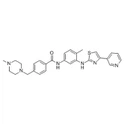
Trilostane, identified by its CAS number 13647-35-3, is a synthetic steroid that has gained significant attention in the veterinary field, particularly for its role in treating Cushing's syndrome in dogs. Cushing's syndrome, also known as hyperadrenocorticism, is a hormonal disorder that results from the overproduction of cortisol by the adrenal glands. As a supplier of Trilostane CAS 13647-35-3, I have witnessed firsthand the growing interest in this compound and its potential effects on weight. In this blog post, we will delve into the scientific research surrounding Trilostane and its impact on weight, both in the context of treating Cushing's syndrome and beyond.

Understanding Trilostane
Trilostane works by inhibiting the enzyme 3β-hydroxysteroid dehydrogenase (3β-HSD), which is involved in the synthesis of cortisol and other steroid hormones in the adrenal glands. By blocking this enzyme, Trilostane reduces the production of cortisol, thereby alleviating the symptoms associated with Cushing's syndrome. These symptoms can include increased thirst and urination, excessive panting, hair loss, muscle weakness, and weight gain.
The Link Between Cushing's Syndrome and Weight Gain
Cushing's syndrome is often associated with weight gain, which can be attributed to several factors. Elevated cortisol levels can lead to an increase in appetite, causing affected animals to consume more food. Cortisol also promotes the redistribution of fat, leading to the accumulation of fat in the abdomen, neck, and face. Additionally, the muscle wasting and weakness associated with Cushing's syndrome can reduce physical activity, further contributing to weight gain.
Effects of Trilostane on Weight in Cushing's Syndrome Patients
One of the primary goals of treating Cushing's syndrome with Trilostane is to normalize cortisol levels and alleviate the associated symptoms, including weight gain. Numerous studies have demonstrated that Trilostane is effective in reducing cortisol production and improving the clinical signs of Cushing's syndrome in dogs. As cortisol levels are brought under control, many dogs experience a decrease in appetite and a gradual reduction in body weight.
A study published in the Journal of Veterinary Internal Medicine evaluated the effects of Trilostane treatment on body weight in dogs with Cushing's syndrome. The study followed 45 dogs for a period of 12 months and found that the majority of dogs experienced a significant reduction in body weight within the first few months of treatment. On average, the dogs lost approximately 5% of their initial body weight over the course of the study.
Another study conducted by researchers at the University of Liverpool examined the long-term effects of Trilostane treatment on body weight and body condition score (BCS) in dogs with Cushing's syndrome. The study followed 60 dogs for a period of 24 months and found that Trilostane treatment was associated with a significant improvement in BCS and a reduction in body weight. The researchers concluded that Trilostane treatment not only improved the clinical signs of Cushing's syndrome but also had a positive impact on the overall health and well-being of the dogs.
Potential Side Effects of Trilostane on Weight
While Trilostane is generally well-tolerated, some dogs may experience side effects, including weight loss. In rare cases, Trilostane can cause an over-suppression of cortisol production, leading to a condition known as hypoadrenocorticism or Addison's disease. Symptoms of hypoadrenocorticism can include lethargy, weakness, vomiting, diarrhea, and weight loss. If these symptoms occur, it is important to consult a veterinarian immediately, as they may require adjustment of the Trilostane dosage or additional treatment.
Other Factors Affecting Weight During Trilostane Treatment
In addition to the direct effects of Trilostane on cortisol production, other factors can influence weight during treatment. Diet and exercise play a crucial role in maintaining a healthy weight, and it is important to ensure that dogs receiving Trilostane treatment are fed a balanced diet and provided with regular exercise. Some dogs may also require dietary modifications to address specific health issues, such as obesity or diabetes.
Trilostane in Other Applications
While Trilostane is primarily used in the treatment of Cushing's syndrome in dogs, it has also shown potential in other applications. Some studies have investigated the use of Trilostane in the treatment of other hormonal disorders, such as hyperaldosteronism and polycystic ovary syndrome. Additionally, Trilostane has been studied for its potential anti-cancer properties, as it may inhibit the growth and proliferation of certain types of cancer cells.
Related Products and Their Role
As a supplier of Trilostane CAS 13647-35-3, we also offer other veterinary APIs that may be used in conjunction with Trilostane or for the treatment of related conditions. For example, API Altrenogest For Veterinary Drug is a synthetic progestin that is used in the regulation of the estrous cycle in female animals. Pimobendan CAS 74150-27-9 and Pimobendan For Veterinary Use are medications used in the treatment of congestive heart failure in dogs. These products, along with Trilostane, can play an important role in improving the health and well-being of veterinary patients.
Conclusion
Trilostane (CAS 13647-35-3) is a valuable medication in the treatment of Cushing's syndrome in dogs, with significant benefits for weight management. By reducing cortisol production, Trilostane can help to normalize appetite, redistribute fat, and promote weight loss in affected animals. While side effects such as weight loss can occur in rare cases, proper monitoring and dosage adjustment can minimize these risks.
If you are a veterinarian or animal owner interested in learning more about Trilostane or our other veterinary APIs, we encourage you to contact us to discuss your specific needs. Our team of experts is available to provide you with detailed information and support to ensure the best possible outcomes for your patients.
References
- Peterson ME, Kintzer PP, Kass PH. Trilostane for treatment of pituitary-dependent hyperadrenocorticism in dogs: results of a multicenter, prospective, randomized, placebo-controlled study. J Vet Intern Med. 2007;21(4):862-870.
- Fidelix J, O'Neill DG, Church DB, et al. Long-term outcome of trilostane treatment in dogs with pituitary-dependent hyperadrenocorticism: 60 cases (2006-2010). J Vet Intern Med. 2013;27(2):343-350.
- Behrend EN, Kintzer PP, Peterson ME. Long-term safety and efficacy of trilostane for treatment of pituitary-dependent hyperadrenocorticism in dogs. J Am Vet Med Assoc. 2009;234(11):1393-1401.