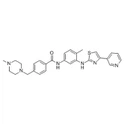
Human proteins and peptides are fundamental building blocks of life, playing crucial roles in a vast array of biological processes. Their interactions with other biomolecules are at the heart of many physiological functions, from cell signaling and immune response to metabolism and development. As a leading supplier of human proteins and peptides, we are deeply involved in understanding and providing these essential molecules to researchers and industries. In this blog, we will explore how human proteins and peptides interact with other biomolecules and the significance of these interactions.
Types of Biomolecules that Interact with Human Proteins and Peptides
1. Nucleic Acids
Nucleic acids, including DNA and RNA, are key partners in the interaction with proteins and peptides. DNA-binding proteins, such as transcription factors, play a vital role in gene expression. These proteins recognize specific DNA sequences and bind to them, either promoting or inhibiting the transcription of genes into RNA. For example, homeodomain proteins are a class of transcription factors that bind to DNA through a helix-turn-helix motif, regulating the development of organisms.
RNA also interacts with proteins and peptides. Ribonucleoproteins (RNPs) are complexes formed by RNA and proteins. The ribosome, which is responsible for protein synthesis, is a large RNP complex. It consists of ribosomal RNA (rRNA) and numerous ribosomal proteins. The interaction between rRNA and ribosomal proteins is essential for the proper structure and function of the ribosome.
2. Carbohydrates
Carbohydrates can interact with proteins and peptides through a process called glycosylation. Glycosylation is the covalent attachment of carbohydrate chains to proteins or peptides, forming glycoproteins or glycopeptides. This modification can affect the stability, solubility, and function of the protein. For example, many cell surface proteins are glycosylated, and the carbohydrate chains can act as recognition sites for other cells or molecules. Lectins are a class of proteins that specifically bind to carbohydrates. They play important roles in cell - cell recognition, immune response, and pathogen binding.


3. Lipids
Lipid - protein interactions are common in biological membranes. Membrane proteins are embedded in the lipid bilayer of cell membranes. Integral membrane proteins have hydrophobic regions that interact with the hydrophobic tails of lipids, allowing them to be anchored in the membrane. Peripheral membrane proteins interact with the membrane surface through electrostatic or hydrophobic interactions. Lipid - binding proteins can also transport lipids within the cell. For example, fatty acid - binding proteins (FABPs) bind to fatty acids and transport them to different cellular compartments for metabolism.
Mechanisms of Interaction
1. Non - covalent Interactions
The majority of interactions between human proteins and peptides and other biomolecules are non - covalent. These include hydrogen bonds, electrostatic interactions, van der Waals forces, and hydrophobic interactions.
Hydrogen bonds are formed between electronegative atoms (such as oxygen or nitrogen) and hydrogen atoms. They are relatively weak but can be numerous, contributing significantly to the stability of protein - biomolecule complexes. Electrostatic interactions occur between charged groups on proteins and other biomolecules. For example, a positively charged amino acid residue on a protein can interact with a negatively charged phosphate group on a nucleic acid.
Van der Waals forces are weak attractive forces that arise from temporary dipoles in molecules. Hydrophobic interactions occur between non - polar groups. In an aqueous environment, hydrophobic groups tend to cluster together to minimize their contact with water. This is important for the folding of proteins and the formation of protein - lipid complexes.
2. Induced Fit Model
The induced fit model describes how proteins and peptides can change their conformation upon binding to other biomolecules. When a protein encounters its binding partner, it can undergo a conformational change to better fit the shape of the partner. This allows for a more specific and high - affinity interaction. For example, enzymes often undergo induced fit when binding to their substrates. The conformational change can bring the catalytic residues of the enzyme into the correct orientation for the chemical reaction to occur.
Examples of Human Proteins and Peptides and Their Interactions
1. Oxytocin
Oxytocin is a peptide hormone that plays important roles in social bonding, reproduction, and childbirth. It interacts with the oxytocin receptor, which is a G - protein - coupled receptor (GPCR) located on the cell surface. When oxytocin binds to its receptor, it activates a signaling cascade within the cell, leading to various physiological responses. For example, in the uterus during childbirth, oxytocin binding to its receptor stimulates uterine contractions.
2. Ulinastatin For Human Use
Ulinastatin is a protease inhibitor. It interacts with various proteases, such as trypsin, chymotrypsin, and elastase. By binding to these proteases, ulinastatin can inhibit their enzymatic activity. This is important in protecting tissues from excessive proteolytic damage, especially in inflammatory conditions.
3. Leuprorelin Acetate CAS 74381 - 53 - 6
Leuprorelin acetate is a synthetic peptide analog of gonadotropin - releasing hormone (GnRH). It binds to the GnRH receptor in the pituitary gland. Initially, it causes an increase in the release of luteinizing hormone (LH) and follicle - stimulating hormone (FSH), but with continuous administration, it down - regulates the receptor, leading to a decrease in the production of sex hormones. This property is used in the treatment of hormone - dependent diseases such as prostate cancer and endometriosis.
Significance of Protein - Biomolecule Interactions
1. Biological Function
The interactions between human proteins and peptides and other biomolecules are essential for normal biological function. They are involved in almost every aspect of life, from the replication of DNA to the movement of cells. For example, the interaction between antibodies (proteins) and antigens (usually foreign molecules) is the basis of the immune response. Antibodies can specifically bind to antigens, marking them for destruction by the immune system.
2. Disease Mechanisms
Abnormal protein - biomolecule interactions can lead to diseases. For example, mutations in genes encoding proteins can change their structure and function, affecting their interactions with other biomolecules. In Alzheimer's disease, the accumulation of amyloid - beta peptides, which are abnormal cleavage products of the amyloid precursor protein, is thought to be due to abnormal protein - protein interactions. These aggregates can disrupt normal cellular function and lead to neurodegeneration.
3. Drug Development
Understanding protein - biomolecule interactions is crucial for drug development. Many drugs work by targeting specific protein - biomolecule interactions. For example, drugs can be designed to block the interaction between a pathogen protein and a host cell protein, preventing the pathogen from infecting the cell. By using our high - quality human proteins and peptides, researchers can study these interactions in detail and develop more effective drugs.
Conclusion
The interactions between human proteins and peptides and other biomolecules are complex and diverse. They are fundamental to life processes, and understanding these interactions is essential for many fields, including biology, medicine, and biotechnology. As a supplier of human proteins and peptides, we are committed to providing high - quality products to support research in this area. Whether you are studying the basic mechanisms of protein - biomolecule interactions or developing new drugs, our products can be valuable tools.
If you are interested in our human proteins and peptides, or if you have any questions about their applications, please feel free to contact us for further discussion and potential procurement. We look forward to working with you to advance scientific knowledge and improve human health.
References
- Alberts, B., Johnson, A., Lewis, J., Raff, M., Roberts, K., & Walter, P. (2002). Molecular Biology of the Cell. Garland Science.
- Voet, D., Voet, J. G., & Pratt, C. W. (2016). Fundamentals of Biochemistry: Life at the Molecular Level. John Wiley & Sons.
- Lodish, H., Berk, A., Kaiser, C. A., Krieger, M., Scott, M. P., Bretscher, A.,... & Darnell, J. (2016). Molecular Cell Biology. W. H. Freeman.