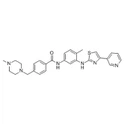
Hey there! As a supplier of Imidacloprid CAS 138261 - 41 - 3, I often get asked if this stuff can be used in organic farming. It's a hot - button topic, and I'm here to break it down for you.


First off, let's talk about what Imidacloprid is. It's a widely - used insecticide that belongs to the neonicotinoid class. Neonicotinoids work by targeting the nervous systems of insects, which makes them super effective at controlling a whole bunch of pests like aphids, whiteflies, and beetles. You can find Imidacloprid in all sorts of products, from agricultural sprays to treatments for fleas on pets.
Now, organic farming has some pretty strict rules. The main idea behind organic farming is to produce food in an environmentally friendly and sustainable way. Organic farmers avoid using synthetic pesticides, fertilizers, and genetically modified organisms (GMOs). They rely on natural methods like crop rotation, biological pest control, and the use of organic fertilizers to keep their crops healthy.
So, can Imidacloprid be used in organic farming? The short answer is no. Organic certification bodies around the world, like the USDA Organic in the United States and the EU Organic in Europe, have clear regulations that prohibit the use of synthetic pesticides. Imidacloprid is a synthetic chemical, so it doesn't meet the criteria for organic farming.
One of the big reasons why Imidacloprid isn't allowed in organic farming is its potential impact on the environment. Studies have shown that neonicotinoids can be harmful to bees and other pollinators. Bees are crucial for the pollination of many crops, and a decline in bee populations can have a huge impact on food production. When Imidacloprid is used in the environment, it can contaminate soil, water, and plants, which can then be ingested by bees and other beneficial insects.
Another concern is the long - term effects of Imidacloprid on the soil ecosystem. Organic farming aims to build and maintain healthy soil, which is full of beneficial microorganisms. Synthetic pesticides like Imidacloprid can disrupt the balance of these microorganisms, leading to a decrease in soil fertility over time. Organic farmers use natural methods to improve soil health, and the use of Imidacloprid goes against this principle.
But here's the thing. Just because Imidacloprid can't be used in organic farming doesn't mean it doesn't have its place. In conventional farming, it's a very valuable tool. It can help farmers protect their crops from pests, which can lead to higher yields and better - quality produce. When used correctly, following all the safety guidelines, Imidacloprid can be an effective way to manage pest populations.
If you're an organic farmer, don't worry. There are plenty of natural alternatives to Imidacloprid. For example, you can use insecticidal soaps, neem oil, or pyrethrin - based products. These are derived from natural sources and are generally considered safe for use in organic farming. You can also introduce beneficial insects like ladybugs and lacewings to your farm, as they can help control pest populations naturally.
Now, if you're in the market for other high - quality chemicals, we also supply some great products. Check out Pimobendan CAS 74150 - 27 - 9, Maropitant Citrate CAS 147116 - 67 - 4, and Flugestone Acetate 2529 - 45 - 5. These are all top - notch chemicals with a wide range of applications.
If you're interested in our Imidacloprid or any of our other products, feel free to reach out. We're always happy to have a chat about your needs and see how we can help. Whether you're a large - scale conventional farmer or a small - time grower, we've got the products and the expertise to support you.
In conclusion, while Imidacloprid is a powerful insecticide, it's not suitable for organic farming due to its synthetic nature and potential environmental impacts. But there are plenty of other options out there for organic farmers, and we're here to help you find the right solutions for your farm. So, don't hesitate to contact us if you have any questions or if you're ready to start a purchase.
References
- European Commission, "Organic Farming Regulation", available at the official EU website.
- United States Department of Agriculture, "USDA Organic Standards", available at the USDA official website.
- Scientific studies on the environmental impact of neonicotinoids, such as those published in scientific journals like "Nature" and "Science".